Teaching Sight Words with the Heart Word Method
Sight words are everywhere in beginning reading. Words such as the, said, was, and have appear again and again in the books children read, so students need to recognize them quickly and accurately.
For years, sight words were often taught primarily through memorization: flashcards, repeated reading, tracing, or simply practicing a word until it “stuck.”
Today, many teachers are taking a different approach.
Instead of asking children to memorize the whole word as a visual shape, the Heart Word method helps students connect the letters in a word to the sounds they already know—and pay special attention to the part of the word that is unexpected.
What Is a Heart Word?
A Heart Word is a high-frequency word that contains one or more parts students may not yet be able to read using the phonics patterns they have learned.
The important idea is that we don't treat the entire word as irregular.
Take the word said.
Students can hear and connect some of the sounds in the word to letters. The part that does not follow the spelling pattern they might expect is the portion that needs special attention.
That unexpected spelling is the part students learn “by heart.”
A small heart is often placed underneath the tricky portion of the word as a visual reminder.
This helps children see that even words we sometimes call “irregular” usually contain plenty of regular, predictable information.
Why Not Just Memorize Sight Words?
Beginning readers are learning how our written language represents spoken language.
When we encourage students to look closely at the sounds and spellings in a word, we help them build connections between:
the way the word sounds
the letters used to spell it
the word's meaning
With repeated successful encounters, those connections can help the word become stored in memory for quick retrieval.
Eventually, the student no longer needs to sound the word out. It becomes a true sight word—a word the reader recognizes automatically.
That is very different from asking a child to memorize what the whole word looks like.
Some Resources to Check Out:
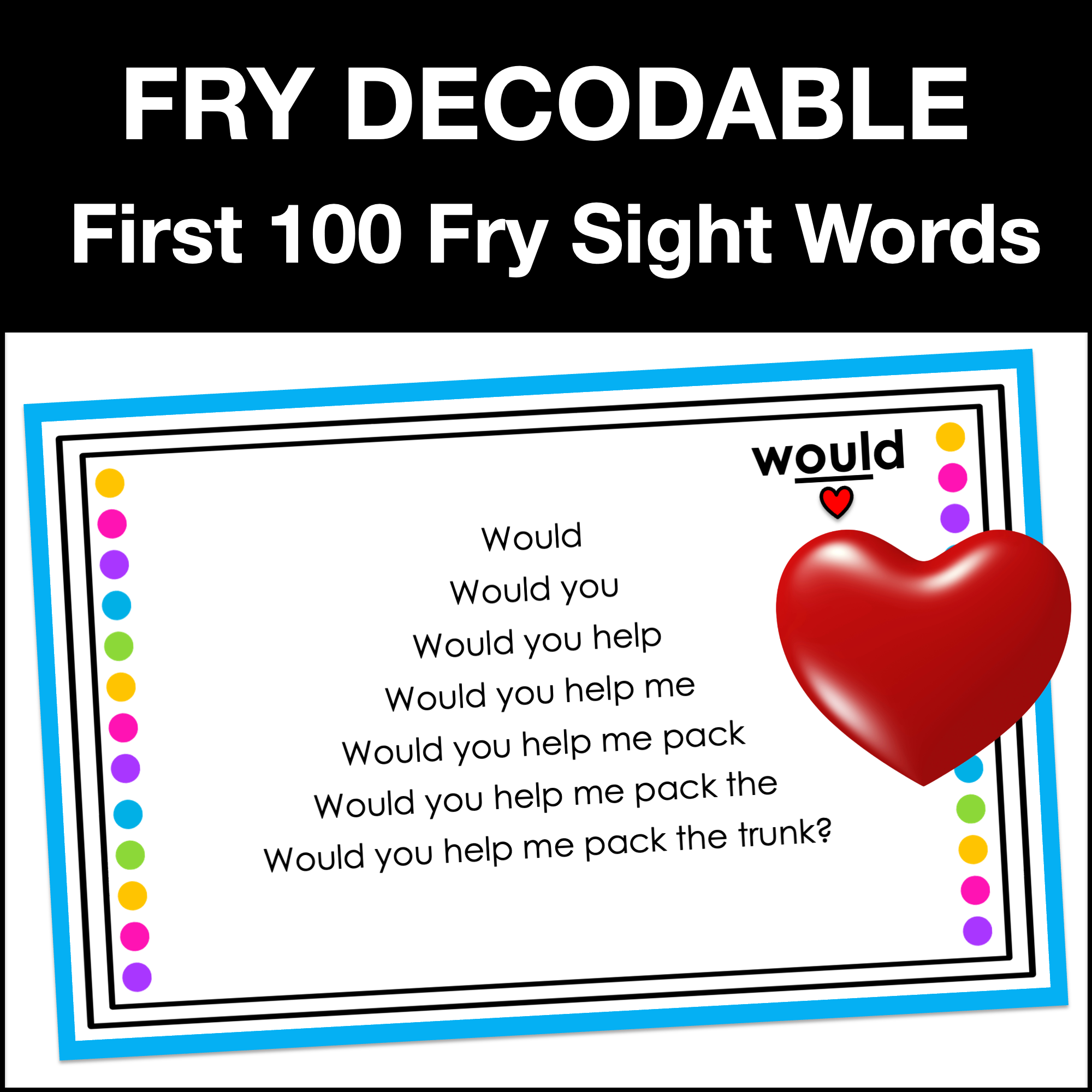
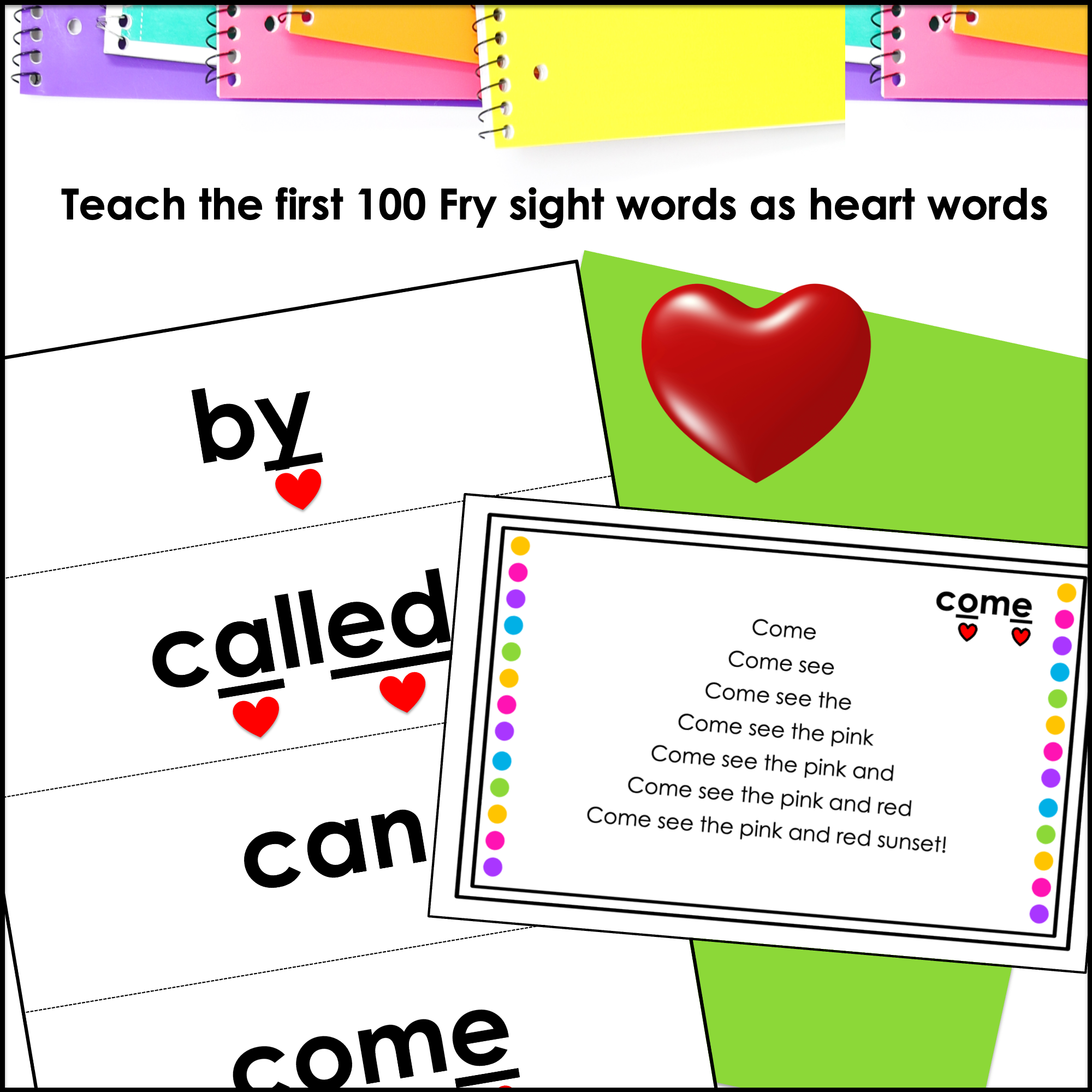
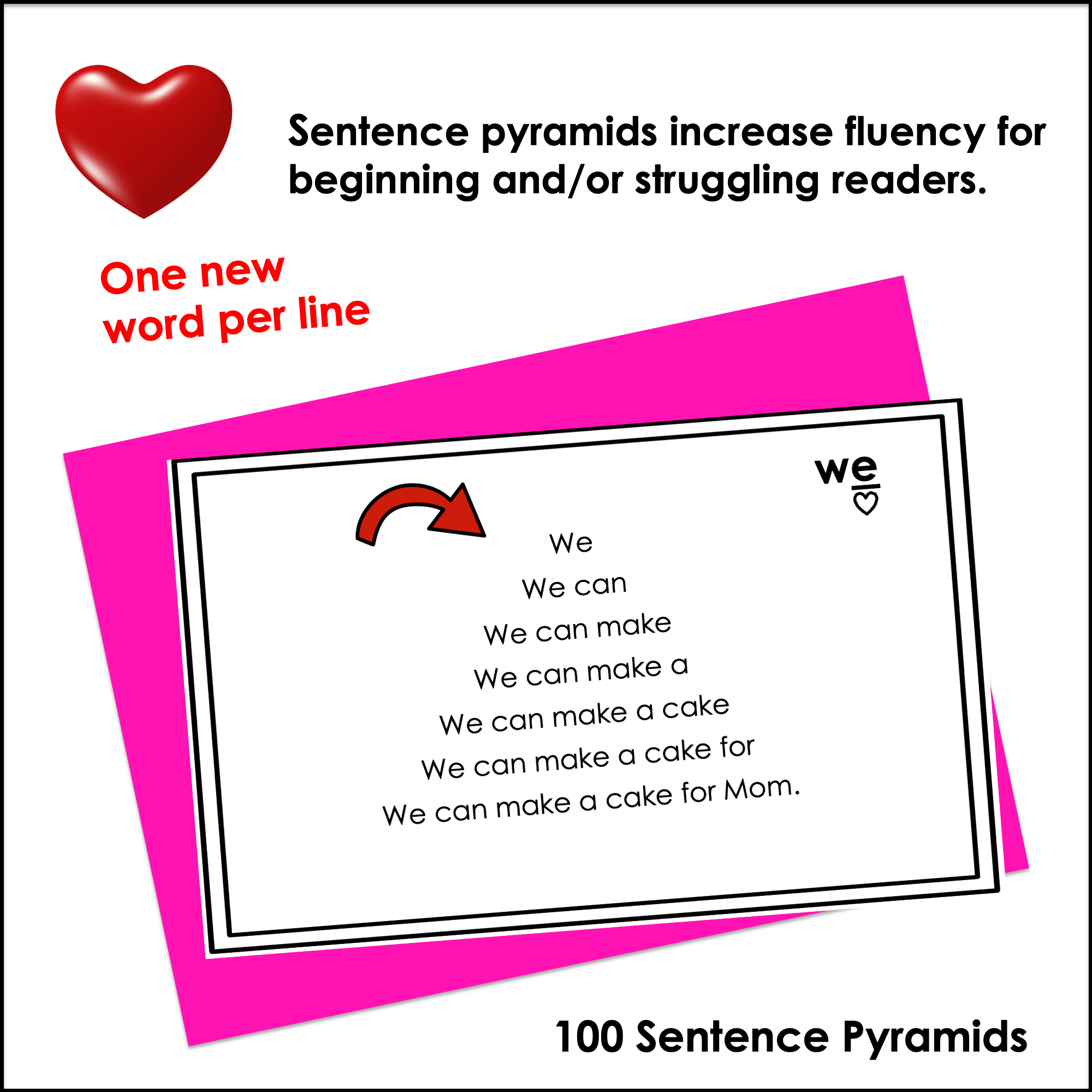
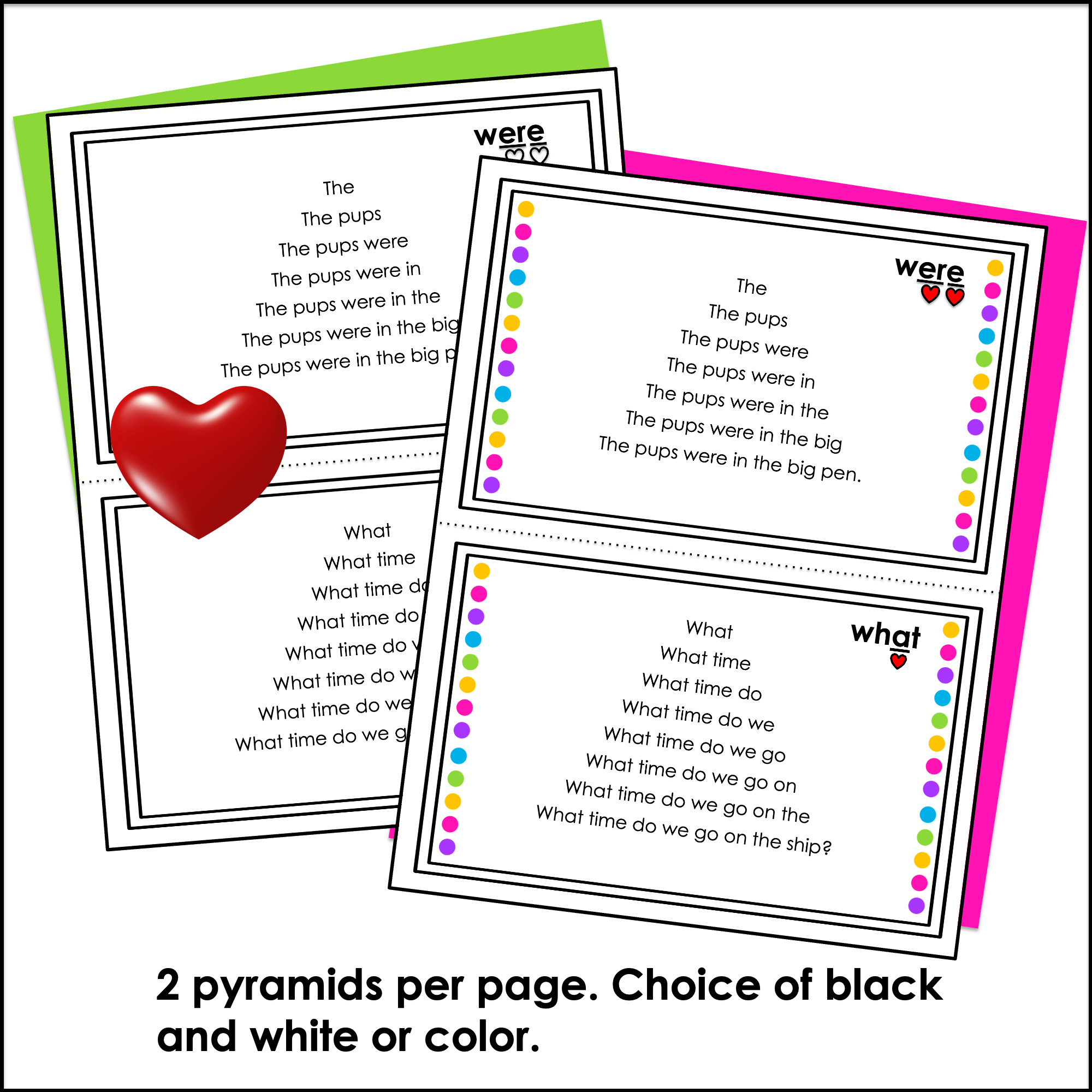
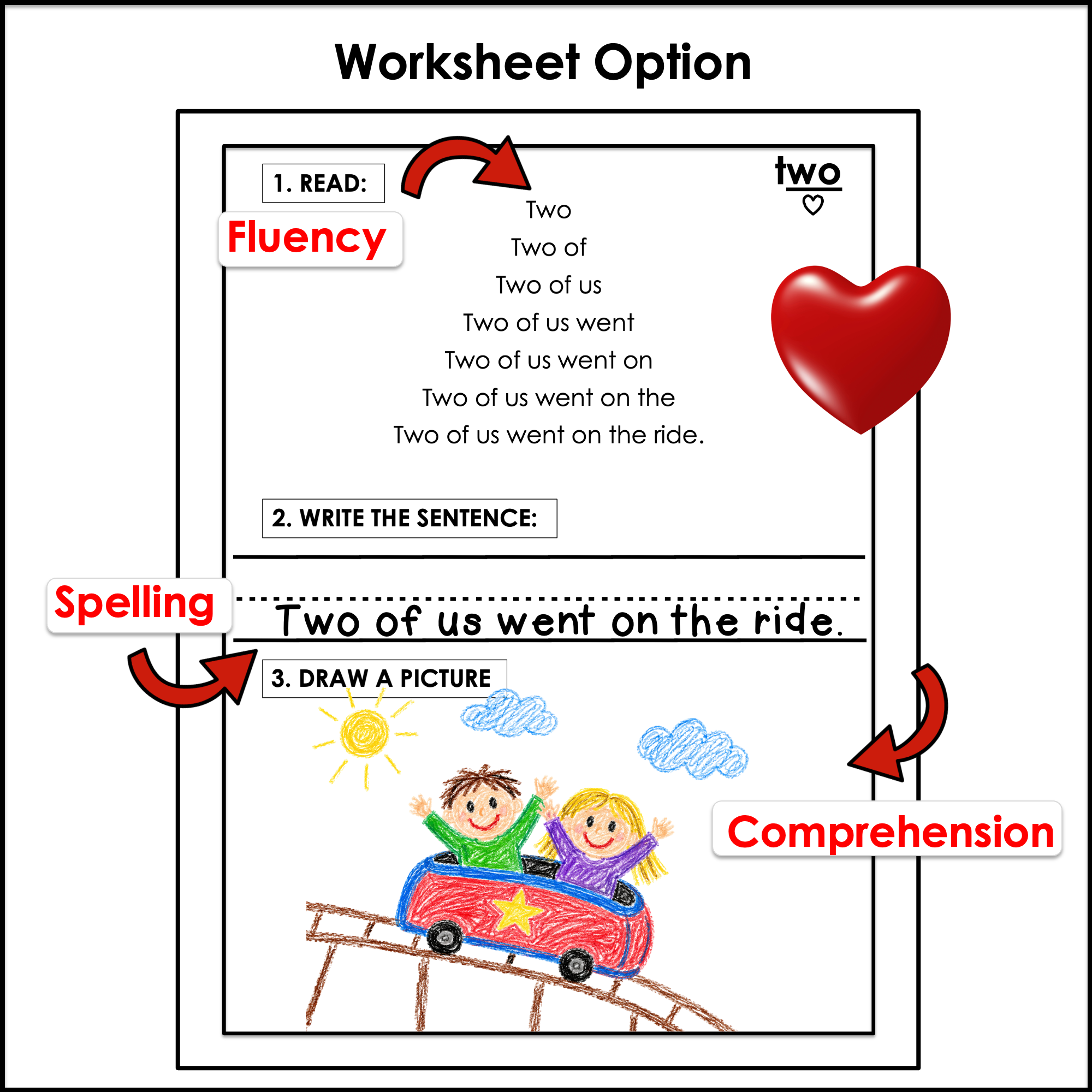
Looking for more ways to build sight word fluency?
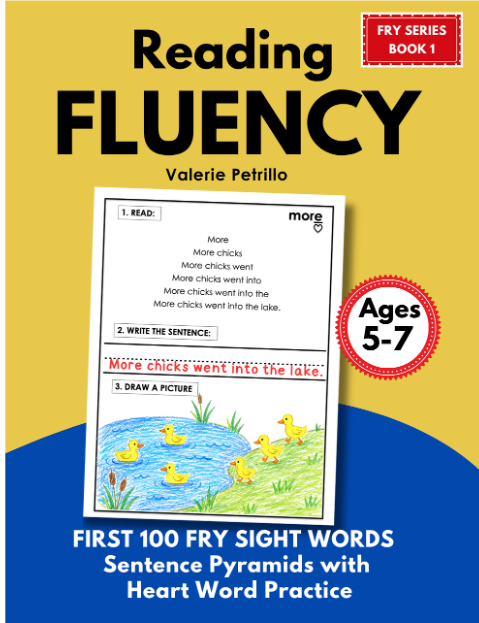
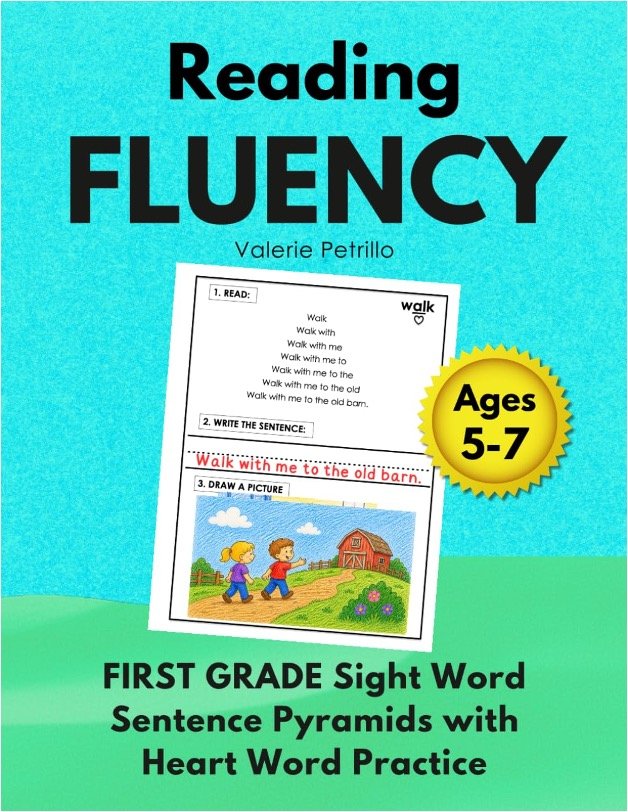
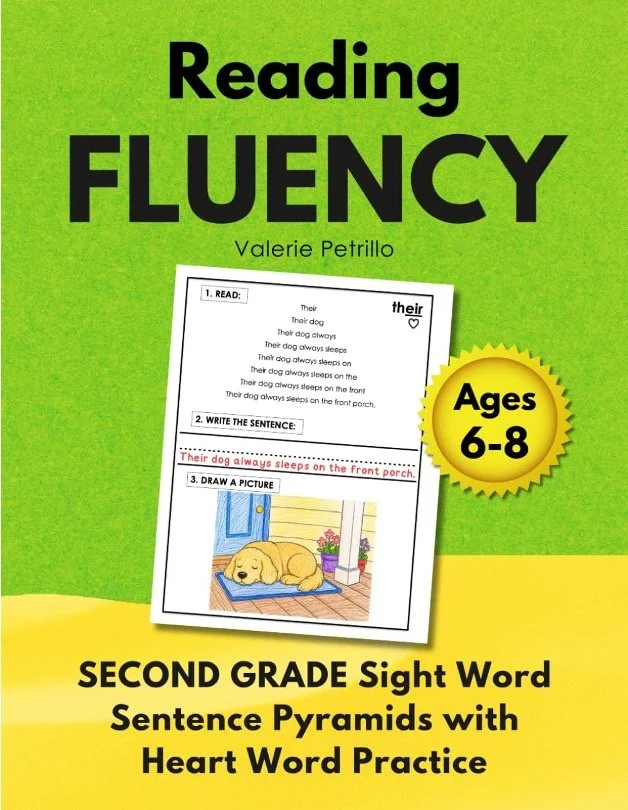
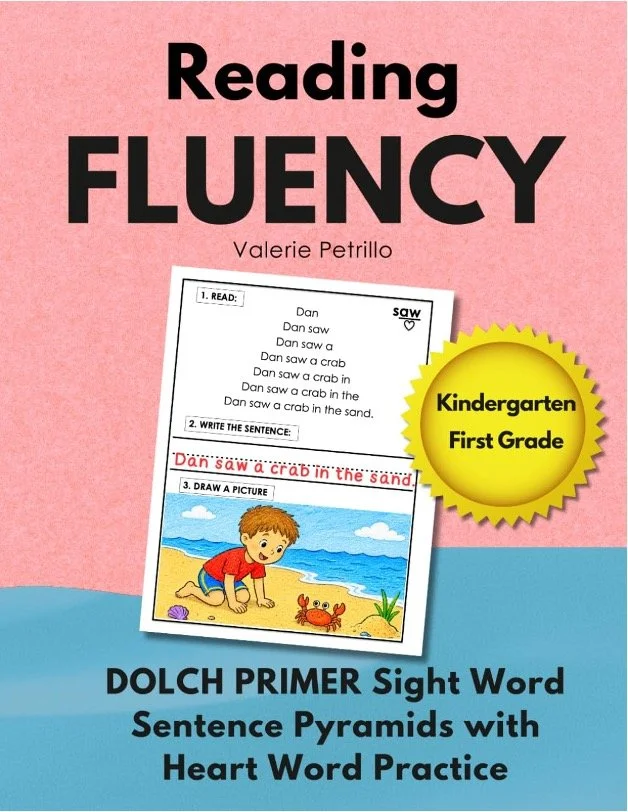
These printed Amazon workbooks provide additional practice with high-frequency words, reading fluency, writing, and more.