
The Learning Edit

Practical teaching ideas, resources, and a little inspiration for the classroom.

How to Make an Interactive PowerPoint Game for Your Classroom
How Fluency Pyramids Help Beginning and Struggling Readers
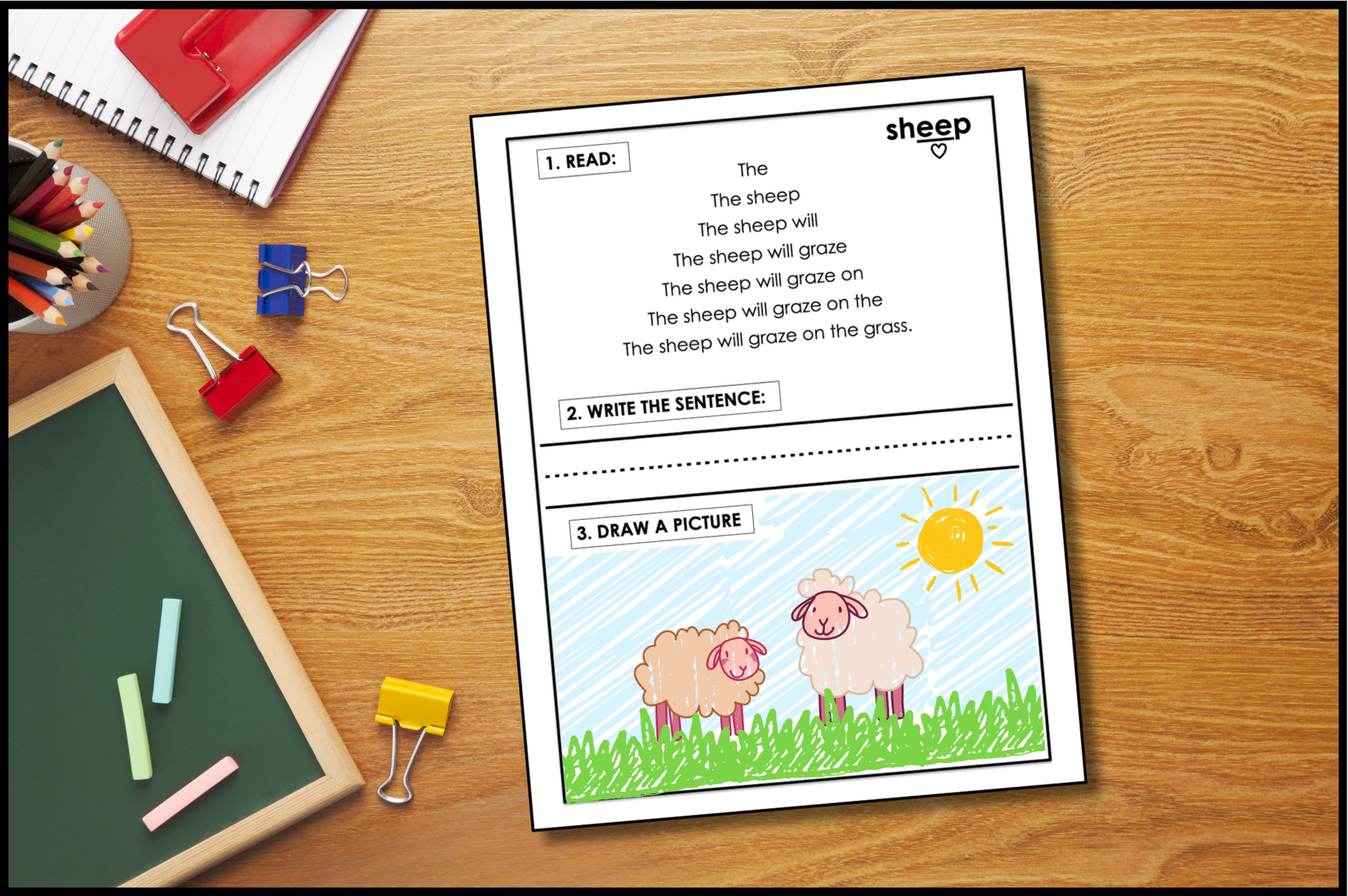
Some children can read individual words fairly well but have a much harder time when those same words appear together in a sentence.
They may stop between words, lose their place, read very slowly, or become overwhelmed when they see a full line of text.
One simple way to make sentence reading feel more manageable is to use a fluency pyramid.
A fluency pyramid builds a sentence gradually, adding one word at a time:

How to Teach Reading to Students with Down Syndrome
Do you have a student with Down syndrome who has received explicit reading instruction but is still struggling to read independently?
Perhaps your student:
has difficulty remembering letter names or sounds
struggles to blend sounds into words
recognizes some familiar words but cannot yet decode unfamiliar words
has received phonics instruction for a long time with limited progress
has become frustrated or discouraged by reading
For some students, visual word-learning strategies can provide another way into reading while explicit phonics instruction continues.
One structured approach is called Match–Select–Name.

Building Number Sense: 6 Essential Skills and How to Teach Them
Strong number sense helps children understand how numbers work—not just how to count or complete a calculation.
Many young children begin developing number sense through everyday experiences. They learn that two cookies are fewer than five cookies, that the number after 7 is 8, and that a group of objects can be counted to find out how many there are.
But these ideas do not develop automatically for every learner. Some students, especially those who need more explicit instruction, benefit from direct teaching, repetition, visual supports, and hands-on practice.

Teaching Sight Words with the Heart Word Method
Sight words are everywhere in beginning reading. Words such as the, said, was, and have appear again and again in the books children read, so students need to recognize them quickly and accurately.

Addition and Subtraction Intervention: Going Back to the Beginning
Some students need more time and more concrete practice with the basic concepts of addition and subtraction. When a student is struggling, I believe that the best approach is simple: go back to the beginning.

Ditch it! 3 Literacy Practices That Need to Go
Ditch it! 3 Literacy Practices that Need to Go. And what can you do instead?
Popcorn or round robin reading
Silent Reading: Sustained silent reading (SSR) and Drop Everything and Read (DEAR)
Rote Spelling Assignments (Such as Rainbow Reading)

Is That Book Really Decodable?
Decodable books can be an important part of beginning reading instruction because they give students a chance to practice the phonics skills they have already learned.
But there is one important catch:
A book isn't simply “decodable” or “not decodable.” It has to be decodable for the child who is reading it.
A text is decodable when most of its words can be read using the letter-sound relationships and phonics patterns the student has already been taught.
Is the Science of Reading a Fad?
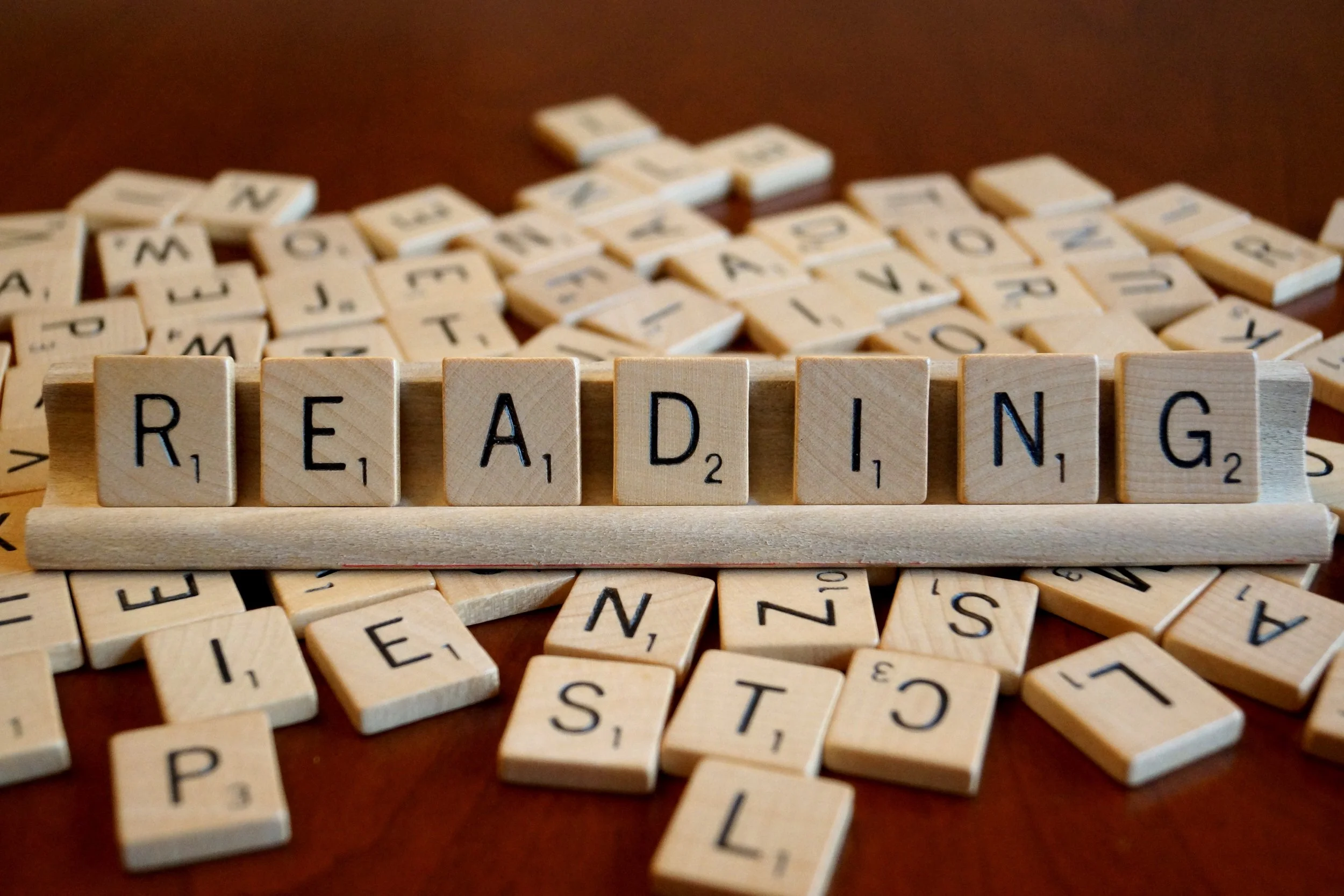
It is everywhere! Podcasts, Facebook groups, blogs. Quick! Get on board or you’ll be behind the times! What exactly, is the Science of Reading?
A Simple Routine for Students Who Struggle With Letter Recognition
Some students learn letter names quickly.
Others need much more repetition, more structure, and a more concrete way to practice before letter recognition becomes automatic.
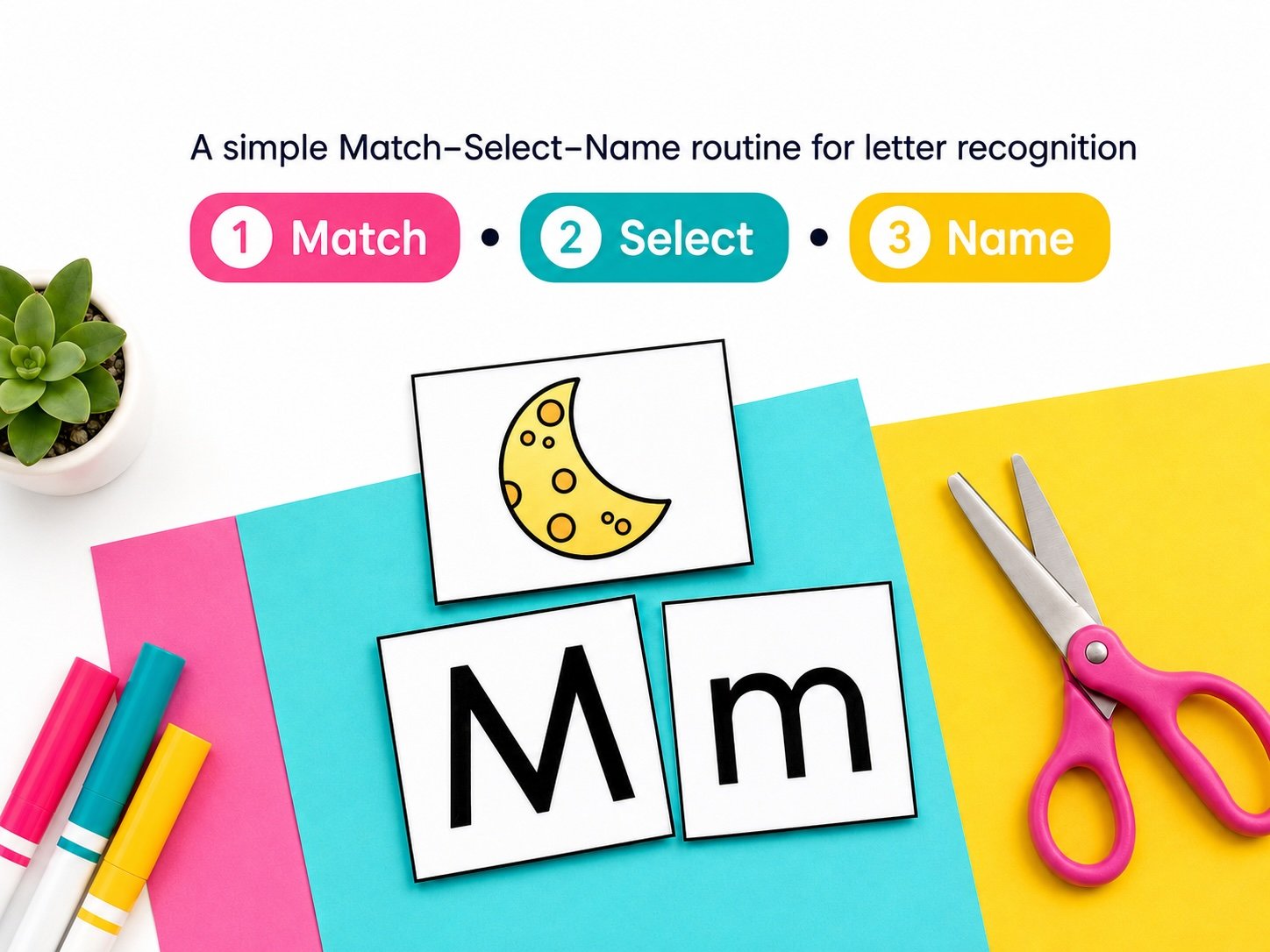
For students who seem to be “stuck” on letter names, I like a simple routine called Match–Select–Name.
Instead of asking a student to immediately identify a letter independently, the routine breaks the task into smaller steps.
How to Differentiate Reading Passages Without Watering Down the Learning
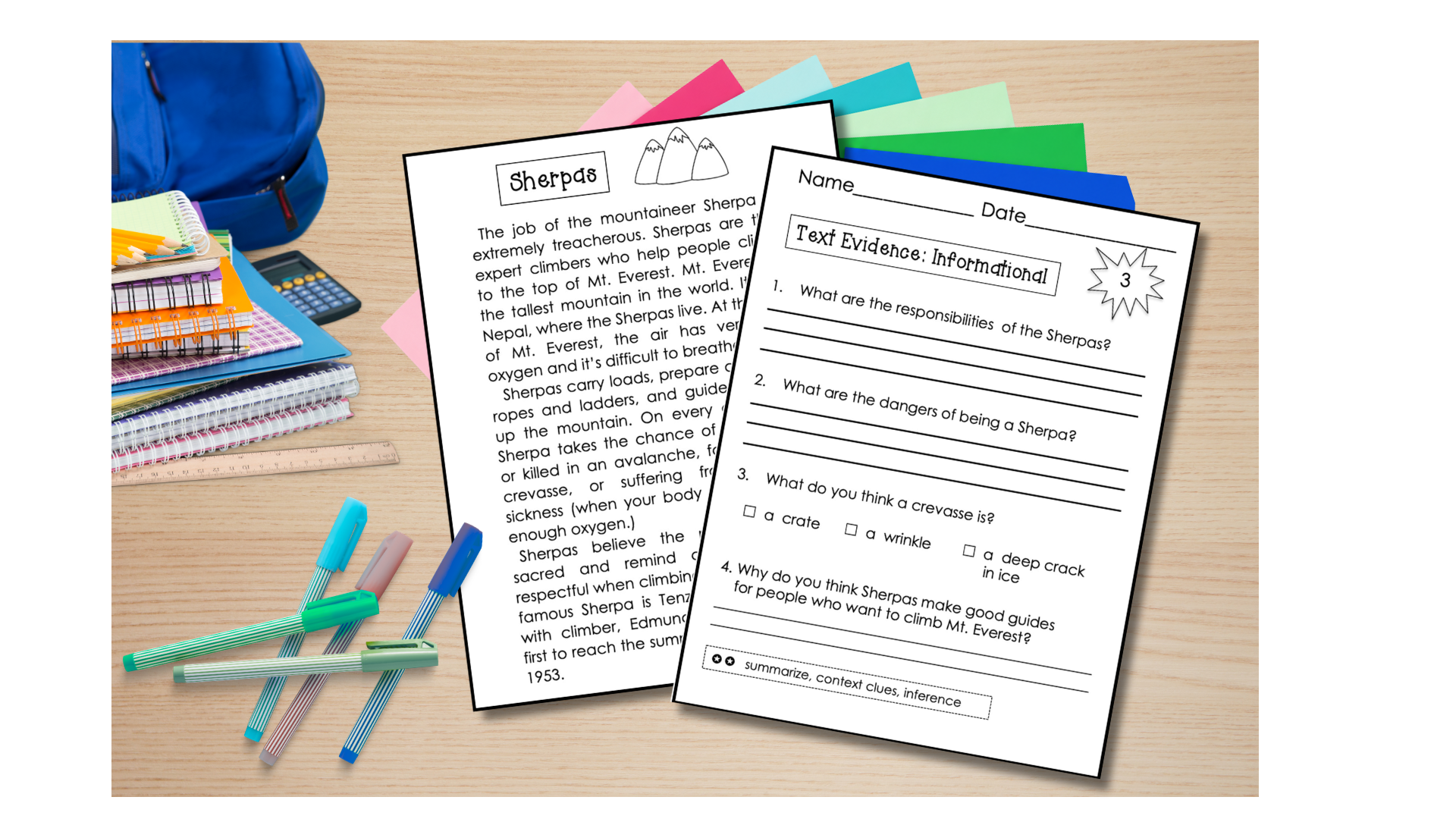
When students in the same classroom read at very different levels, it can be tempting to simply give struggling readers an easier passage.
Sometimes that is appropriate.
But differentiating reading does not always mean making the text easier. The goal is to help students access the same important ideas while providing the support each reader needs.