Is That Book Really Decodable?

Decodable books can be an important part of beginning reading instruction because they give students a chance to practice the phonics skills they have already learned.
But there is one important catch:
A book isn't simply “decodable” or “not decodable.” It has to be decodable for the child who is reading it.
A text is decodable when most of its words can be read using the letter-sound relationships and phonics patterns the student has already been taught.
Match the Book to the Phonics Skill
Suppose your students are working on short-vowel CVC words.
You would expect to see plenty of words such as:
cat, dog, sit, map, tub
A few high-frequency words such as the, a, is, and and may be needed to create natural sentences.
But what if the book also contains words such as:
car, boy, oat
Those words contain phonics patterns beyond basic CVC words:car — r-controlled vowel
boy — vowel diphthong
oat — vowel team
Those are perfectly decodable words once students have learned those patterns. But they aren't appropriate decoding practice for a child who has only been taught CVC words.
That is why the phonics scope and sequence matters.
“Decodable” Depends on What Has Been Taught
Experienced readers can decode the vast majority of regular words because we already know many spelling patterns.
Beginning readers don't.
A well-matched decodable text gives a child the opportunity to apply recently taught phonics skills in connected reading. This helps bridge the gap between practicing individual words and actually reading sentences and stories.
So when evaluating a book labeled decodable, don't look only at the label.
Ask:
Can my students decode most of these words using the phonics skills they have already learned?
Watch Out for Predictable Text
Decodable books are also different from predictable or patterned books.
A predictable text might read:
The cat is on the mat.
The cat is on the hat.
The cat is on the rat.
Because the sentence pattern barely changes—and especially if the pictures reveal the answer—a beginning reader may be able to “read” the page without actually decoding each word.
Predictable texts were designed around a different approach to beginning reading. Decodable texts are intentionally designed to encourage students to look at the letters and apply their phonics knowledge rather than rely on pictures or sentence patterns.
Using the same simple words, you might instead write:
The cat is on the mat.
The rat sat on the mat.
The hat is on the mat.
The vocabulary is still controlled, but the student has to pay closer attention to the printed words.
Do Children Need to Read Only Decodable Books?
No.
Decodable books serve a very specific purpose: they give beginning readers practice applying phonics skills in connected text.
Children should also hear and enjoy books with rich vocabulary, interesting ideas, complex sentences, humor, and beautiful language—even when those books are far beyond what they can currently decode independently.
The difference is in how the books are being used.
A decodable book is for practicing independent word reading.
A rich read-aloud or shared book supports vocabulary, comprehension, knowledge, and a love of reading.
Beginning readers need both.
A Quick Decodable-Book Check
Before giving a decodable book or passage to a student, ask yourself:
1. What phonics skills has the student already learned?
2. Do most of the words in this text use those patterns?
3. Are unfamiliar high-frequency words limited and intentionally taught?
4. Does the text require the student to look at the letters rather than guess from pictures or a repeating sentence pattern?
5. Does the text give the student meaningful practice applying the skill I just taught?
If the answer is yes, you probably have a good instructional match.
Looking for Decodable Practice?
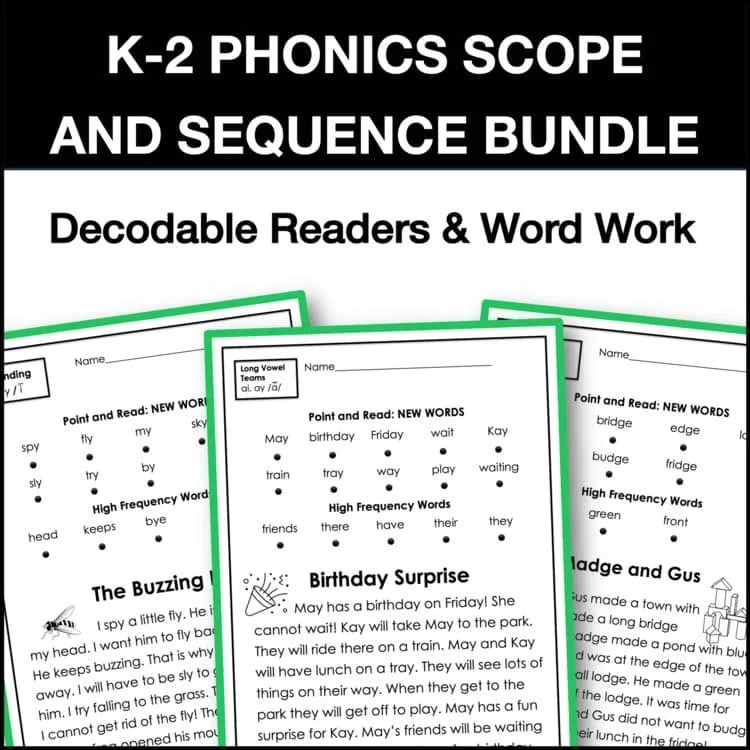
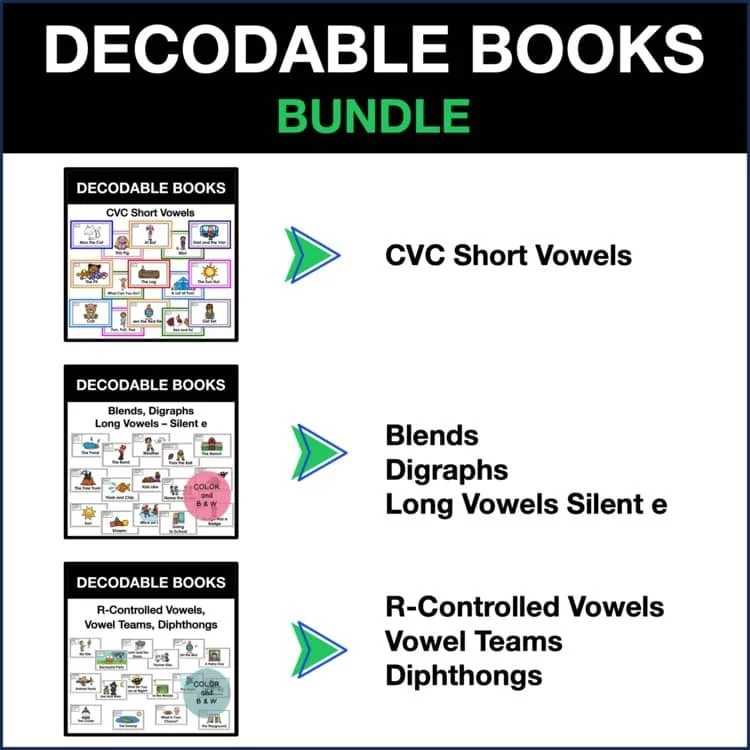
I create decodable passages, fluency activities, and reading practice organized around specific phonics skills so students can practice what they have already been taught.
Popular Decodable Resources on Teachers Pay Teachers TpT
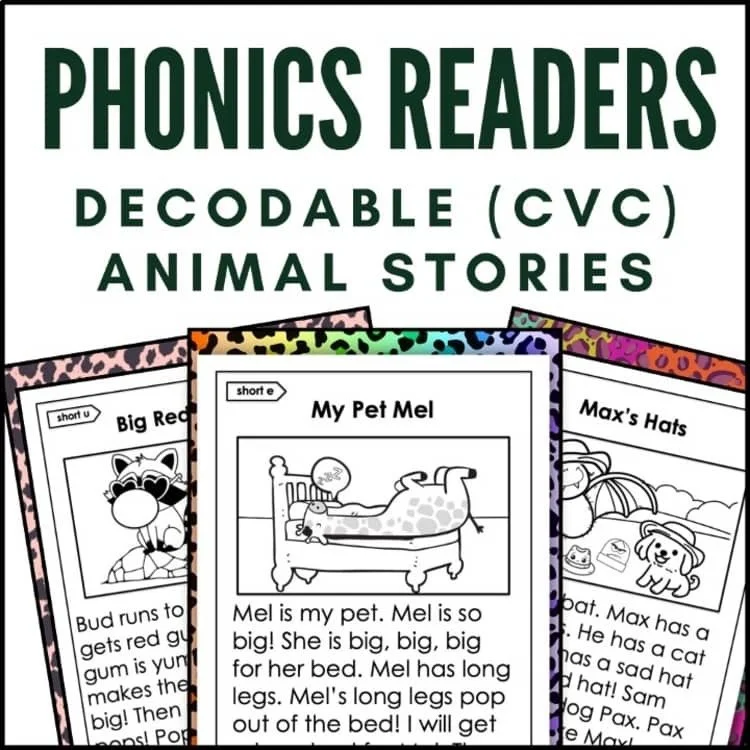
Decodable Books on Amazon
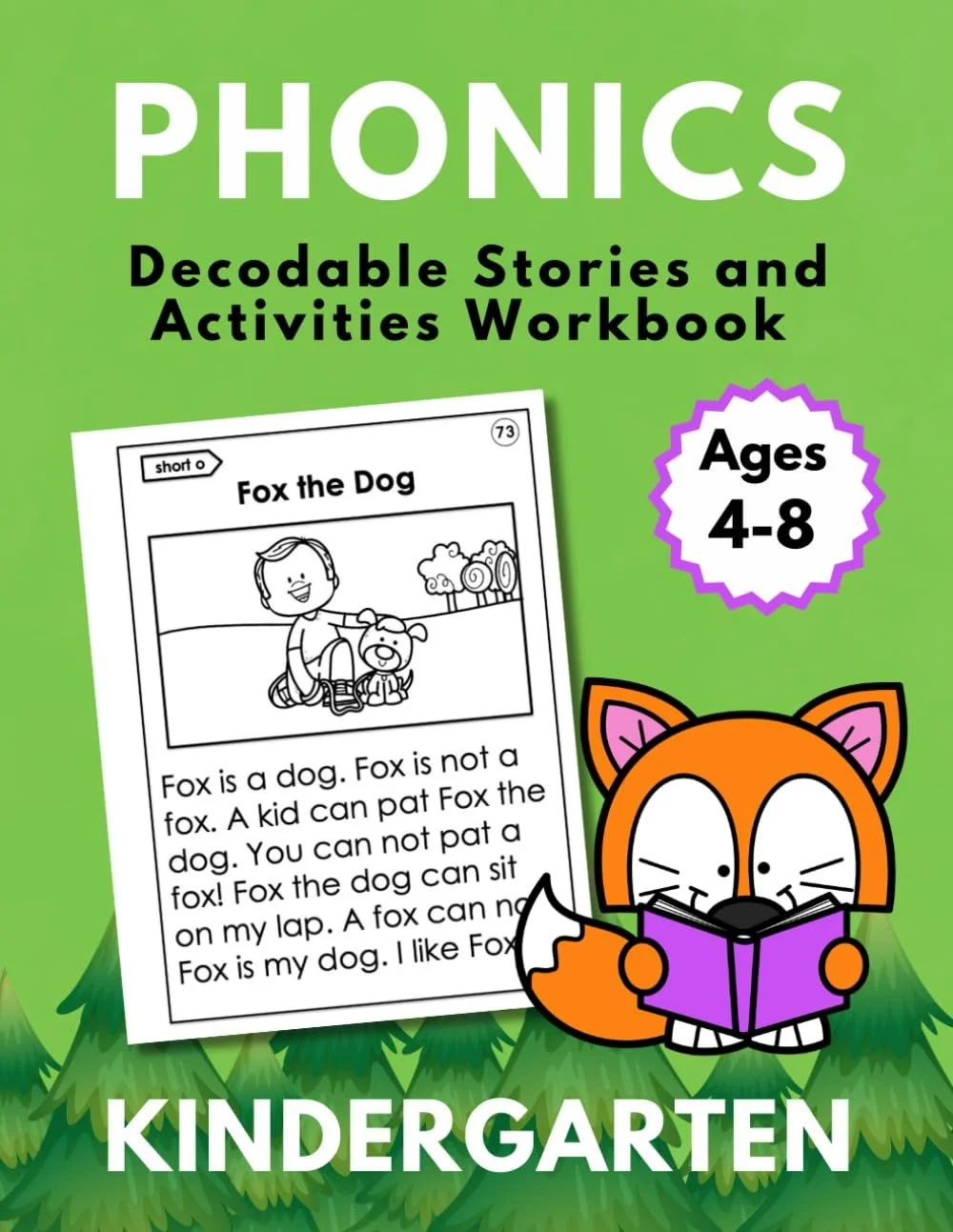
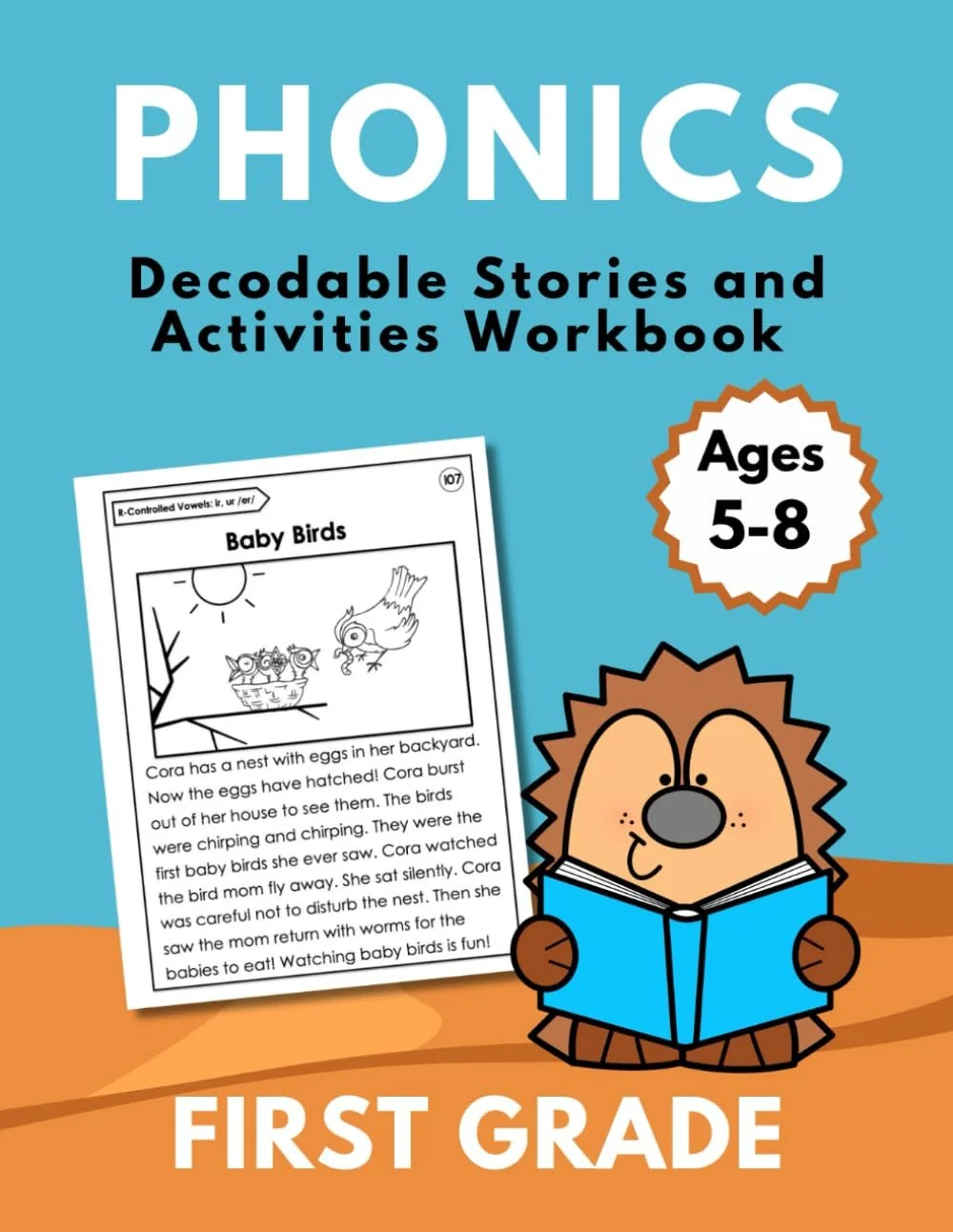
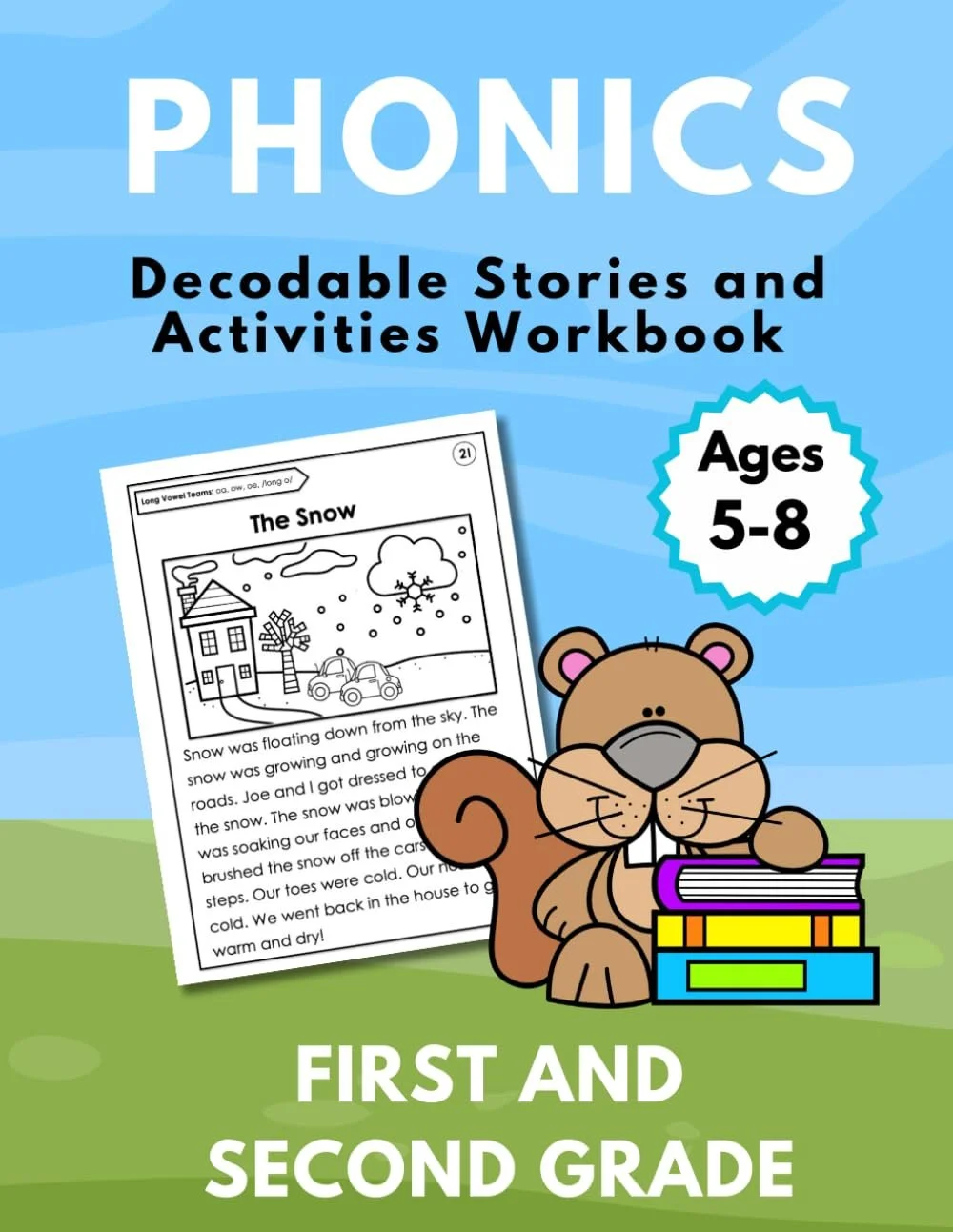
Prefer a bound workbook or book format? These decodable books provide structured practice with phonics skills that students have already been taught, helping them move from reading individual words to reading sentences and short passages with greater confidence.