Is the Science of Reading a Fad?
For the past several years, the Science of Reading has been everywhere—professional development, curriculum discussions, podcasts, social media, and state literacy initiatives.
Whenever an educational idea suddenly seems to be everywhere, it is reasonable for teachers to wonder:
Is this another trend that will eventually disappear?
In this case, no.
The Science of Reading is not a program, curriculum, or new method of teaching. It is a large body of research from fields including education, psychology, linguistics, and neuroscience that helps us understand how children learn to read—and what kinds of instruction best support that process.
So What Does the Science of Reading Mean in the Classroom?
For beginning readers, one of the clearest findings is that learning to read words should not depend on guessing from pictures, context, or the first letter of a word.
Students need to learn how our written language works.
That means instruction should include:
explicit and systematic phonics instruction
phonemic awareness
opportunities to practice decoding and encoding
spelling connected to phonics and word study
texts that allow beginning readers to practice the sound-spelling relationships they have learned
vocabulary, background knowledge, oral language, and comprehension instruction
plenty of rich literature through teacher read-alouds and other supported reading experiences
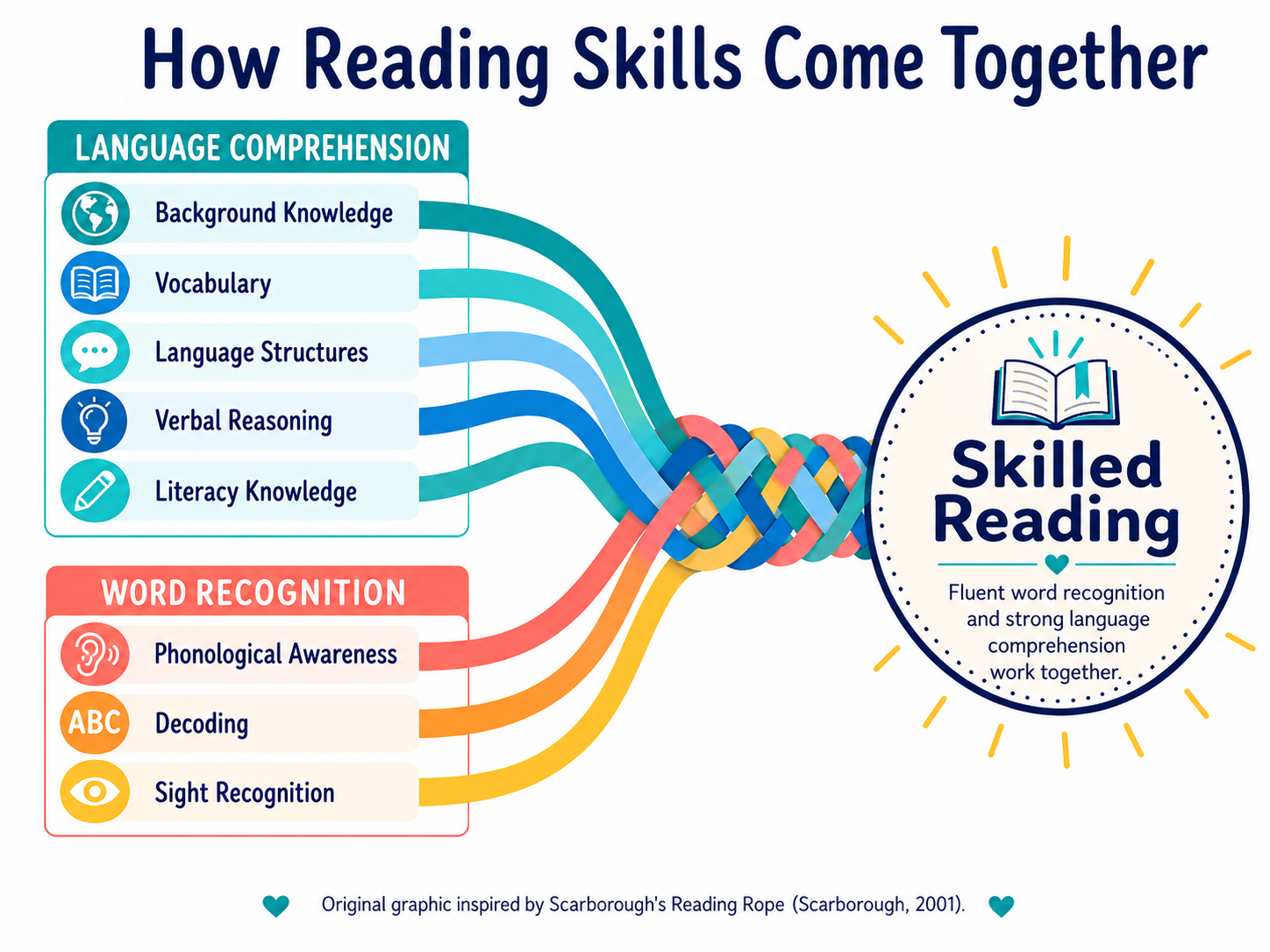
In other words, the Science of Reading is much bigger than phonics. Skilled reading requires both accurate word recognition and strong language comprehension.
What Were We Doing Before?
Many teachers spent years working within some version of balanced literacy.
The idea behind balanced literacy sounded sensible: combine explicit instruction with meaningful reading and writing experiences.
The problem was not that authentic literature, classroom libraries, read-alouds, or small-group instruction were bad ideas.
The problem was that in many classrooms, phonics instruction was not explicit or systematic enough. Students were also sometimes taught to identify unfamiliar words by looking at pictures, thinking about what would make sense, or using the first letter as a clue.
Those strategies can appear to work—especially with predictable books—but they do not teach children how to independently read unfamiliar words.
A student who can decode does not have to guess.
That independence is one of the most important things explicit phonics instruction can give a beginning reader.
Do We Need to Throw Away Everything From Balanced Literacy?
No.
This is where I think the conversation sometimes becomes unnecessarily extreme.
A beautifully illustrated children's book does not become a bad book simply because a beginning reader cannot decode it independently.
Use rich literature for read-alouds. Build vocabulary and background knowledge. Talk about characters, ideas, information, and language.
Keep wonderful books in the classroom library.
What changes is the purpose of the text.
A book used to practice beginning decoding should give students a reasonable opportunity to apply the phonics knowledge they have already been taught.
A book used for a teacher read-aloud does not need to be decodable at all.
Those are two different instructional purposes.
What About Students Who Don't Follow the Typical Path?
This question is especially important to me because I spent much of my career teaching students with disabilities.
I always taught explicit phonics. But I also worked with students for whom progress through phonics was extremely slow.
Some of those students experienced enormous success when they learned a small number of words by sight and were able to participate in patterned or highly predictable reading experiences.
That success mattered.
It gave them access to print and, just as importantly, helped them begin to see themselves as readers.
Does that mean we should abandon phonics and teach children to memorize thousands of words?
No.
But evidence-based teaching does not mean ignoring the individual child in front of us.
For some students, instruction may need to include multiple pathways, additional repetition, assistive technology, explicit word recognition practice, and highly individualized supports while foundational reading instruction continues.
That is not rejecting the Science of Reading.
It is good special education.
What About Sight Words?
This is another area where the conversation has changed.
A sight word is not simply a word a child memorizes visually. A sight word is any word that has become so familiar that the reader recognizes it automatically.
For most words, that automatic recognition develops through orthographic mapping—connecting the sounds in a spoken word to the letters that represent those sounds.
So rather than asking students simply to memorize a word such as said, we can help them examine which parts follow familiar sound-spelling relationships and which part is unexpected.
Eventually, the word becomes stored in memory and can be read automatically.
So, Is the Science of Reading a Fad?
No.
Research supporting systematic instruction in foundational reading skills is not going away.
But I also don't think the lesson is:
Everything we used to do was wrong.
Instead, we can be more thoughtful about why we are using a particular teaching practice or text.
Use systematic, explicit instruction to teach children how to decode.
Give beginning readers appropriate text in which to practice those skills.
Use rich literature to develop vocabulary, knowledge, comprehension, and a love of reading.
Connect reading and spelling.
And adjust instruction when an individual student needs something different or additional.
The Science of Reading should help us make better instructional decisions—not replace one rigid set of rules with another.
Where Do I Start?
If you are updating your literacy instruction, begin with a few practical changes:
Follow a clear, systematic phonics scope and sequence.
Explicitly teach students how sounds connect to letters.
Give students regular practice with both decoding and spelling.
Use decodable text when the goal is practicing newly taught phonics skills.
Avoid prompting students to guess unknown words from pictures or context.
Teach high-frequency words by connecting their sounds and spellings whenever possible.
Continue using rich read-alouds to build comprehension, vocabulary, and background knowledge.
Remember that individual students may require additional or different supports.
UFLI Foundations offers a free scope and sequence and many useful instructional resources for teachers looking for a clear example of systematic foundational-skills instruction.
The goal isn't to teach according to a label.
The goal is to help every child become as independent and successful a reader as possible.
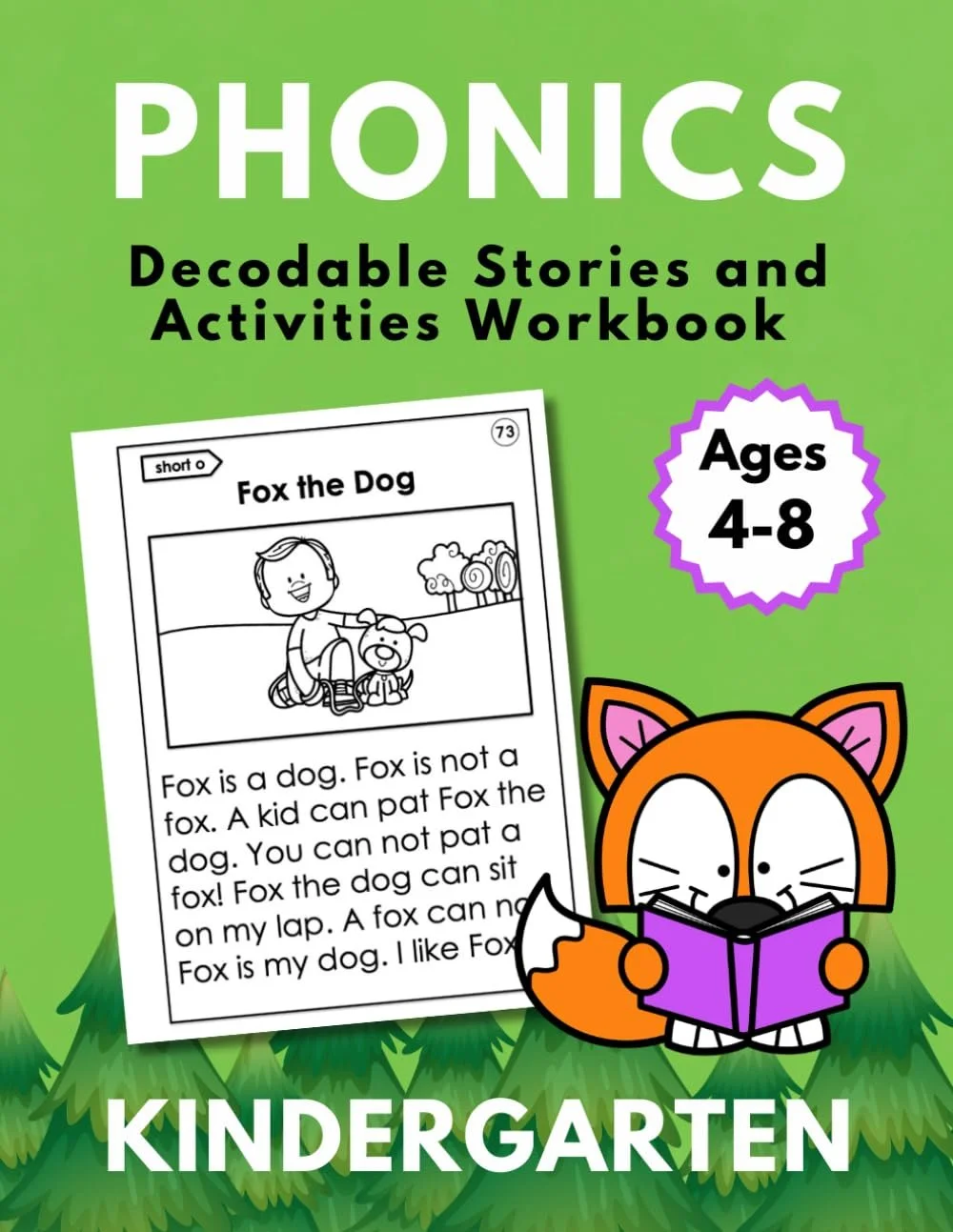
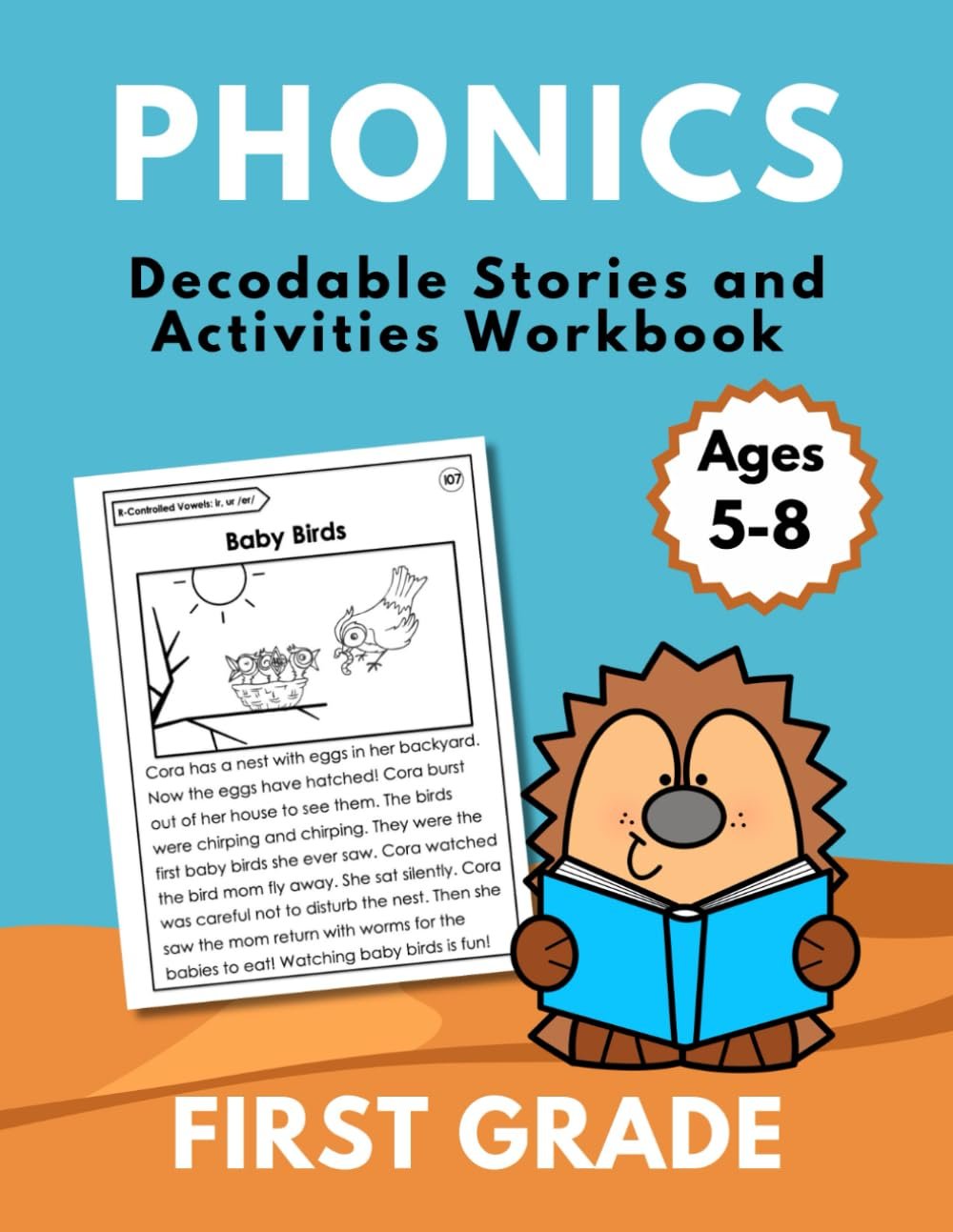
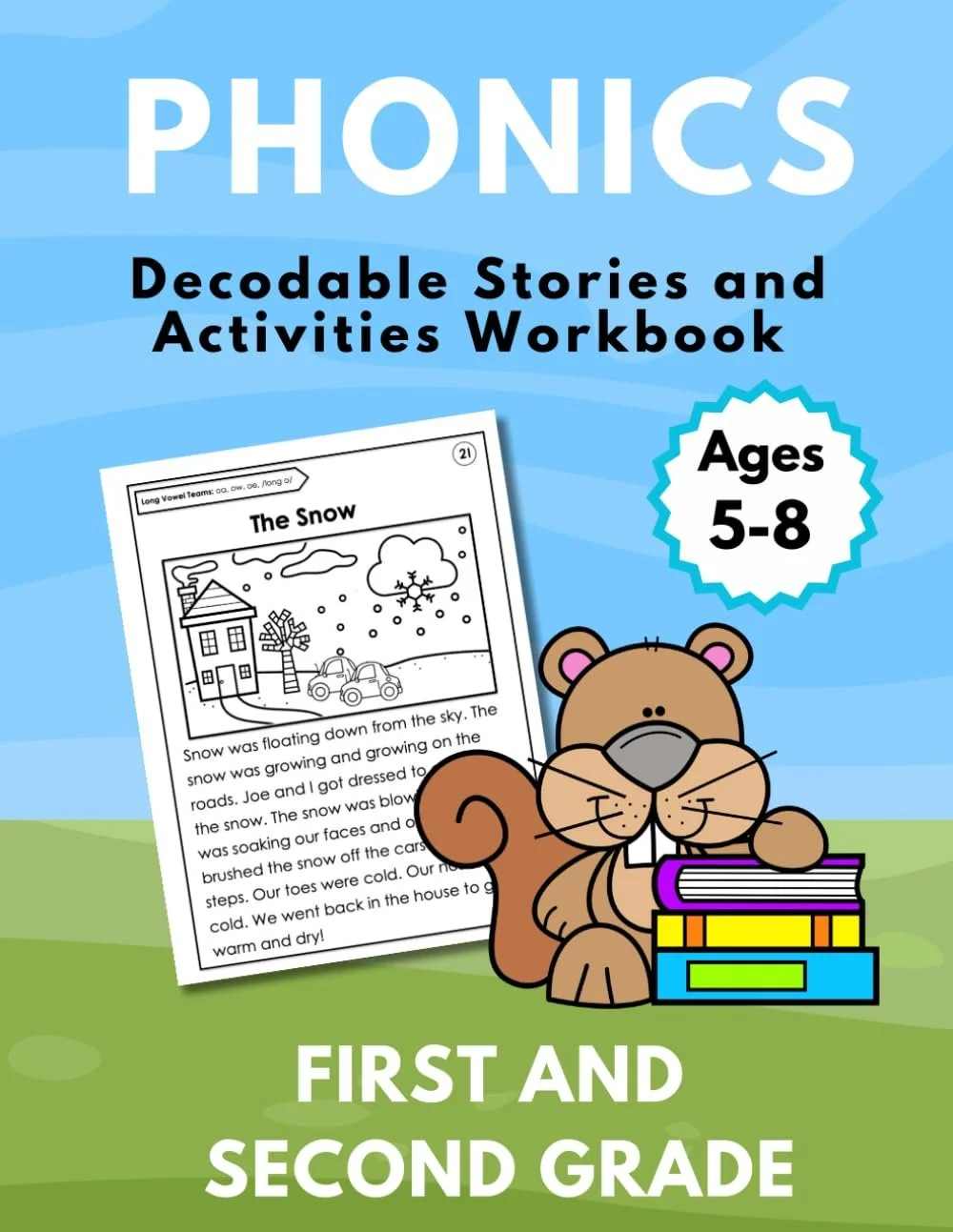
Looking for decodable reading practice? Explore some of my decodable reading resources from Teachers Pay Teachers.
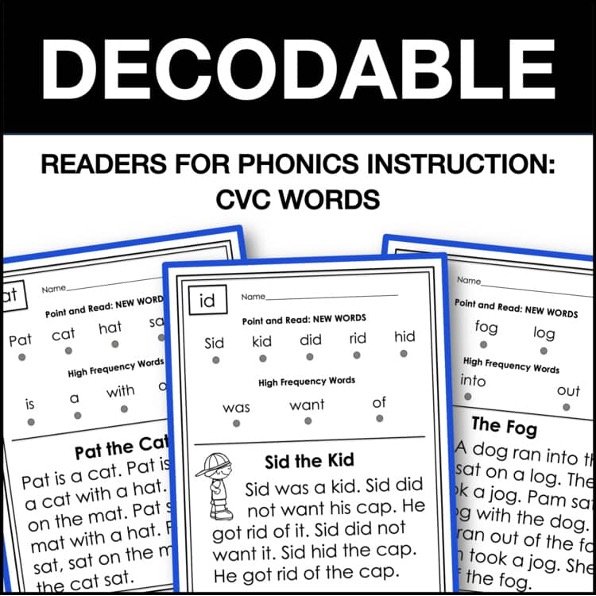
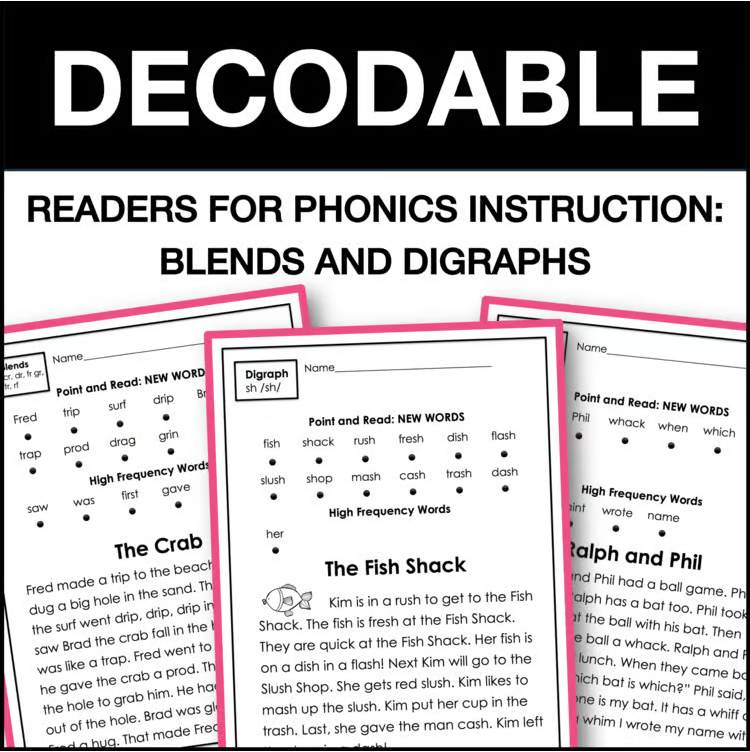
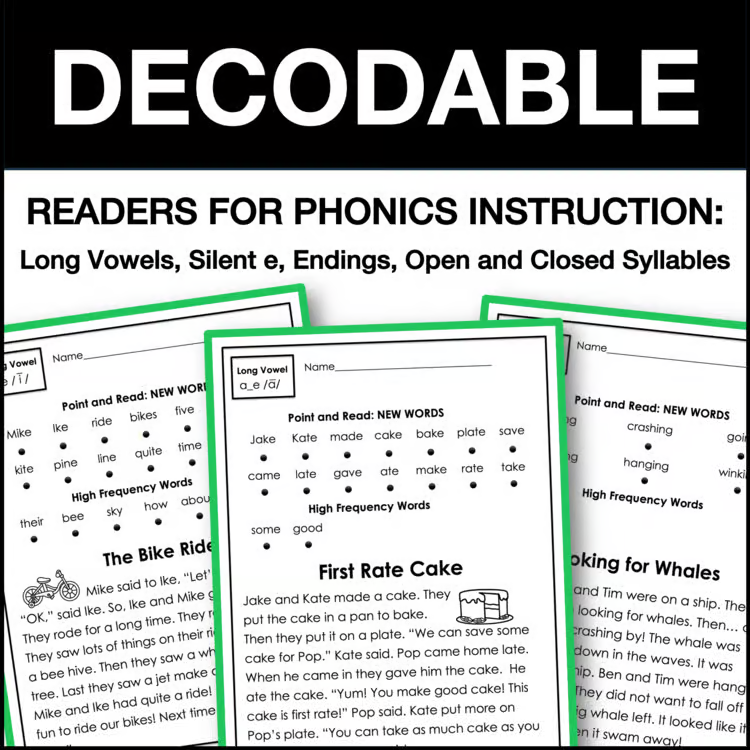
For decodable reading practice in a printed workbook, here are some options from Amazon.