How Fluency Pyramids Help Beginning and Struggling Readers
Some children can read individual words fairly well but have a much harder time when those same words appear together in a sentence.
They may stop between words, lose their place, read very slowly, or become overwhelmed when they see a full line of text.
One simple way to make sentence reading feel more manageable is to use a fluency pyramid.
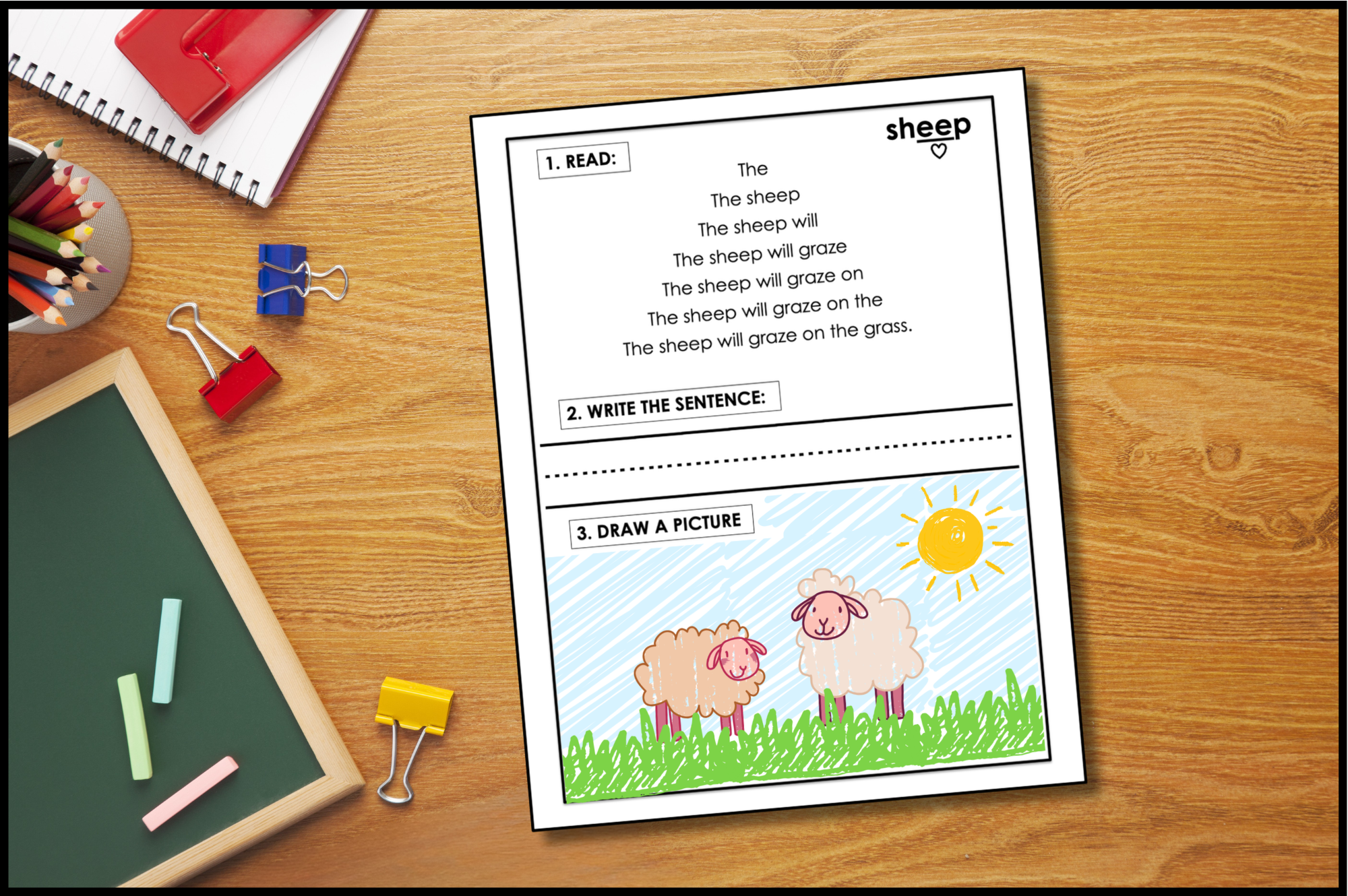
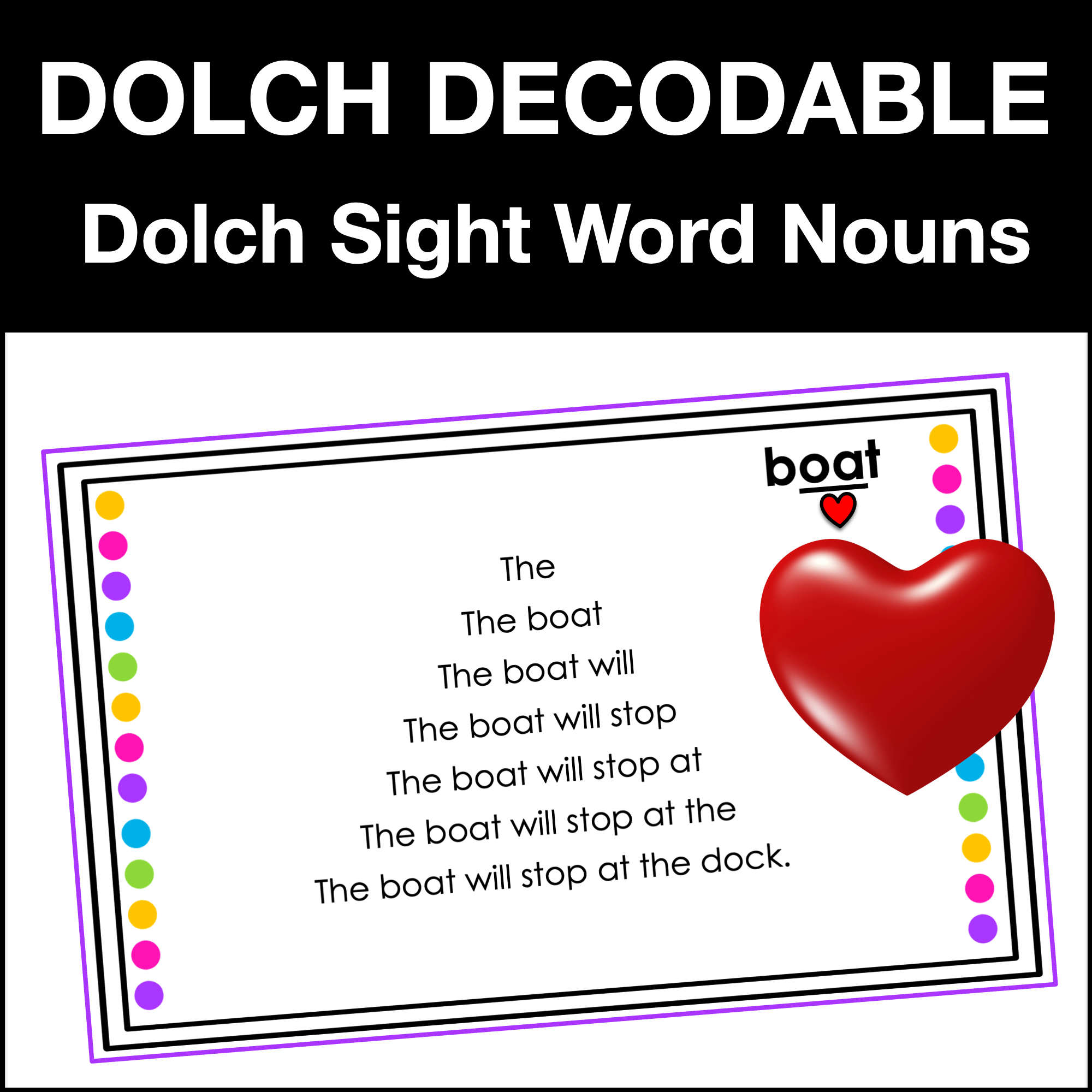
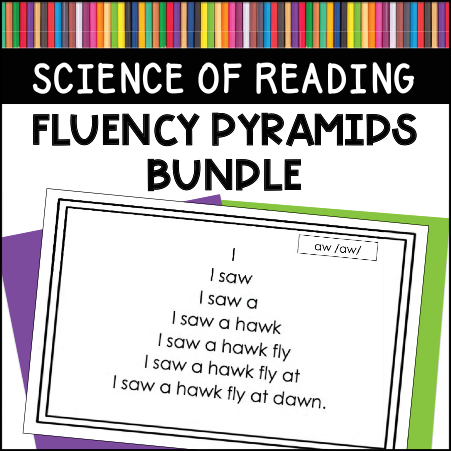
A fluency pyramid builds a sentence gradually, adding one word at a time:
Ben
Ben can
Ben can run
Ben can run and
Ben can run and hop.
Instead of asking a beginning reader to tackle the entire sentence at once, the student starts with a very small amount of text and gradually works toward the complete sentence.
Why Do Fluency Pyramids Help?
They reduce the amount of text a child has to process at one time
A full sentence can feel like a lot to a beginning or struggling reader.
With a fluency pyramid, the student begins with one word. Each line adds only a small amount of new information.
By the time the child reaches the final line, much of the sentence is already familiar.
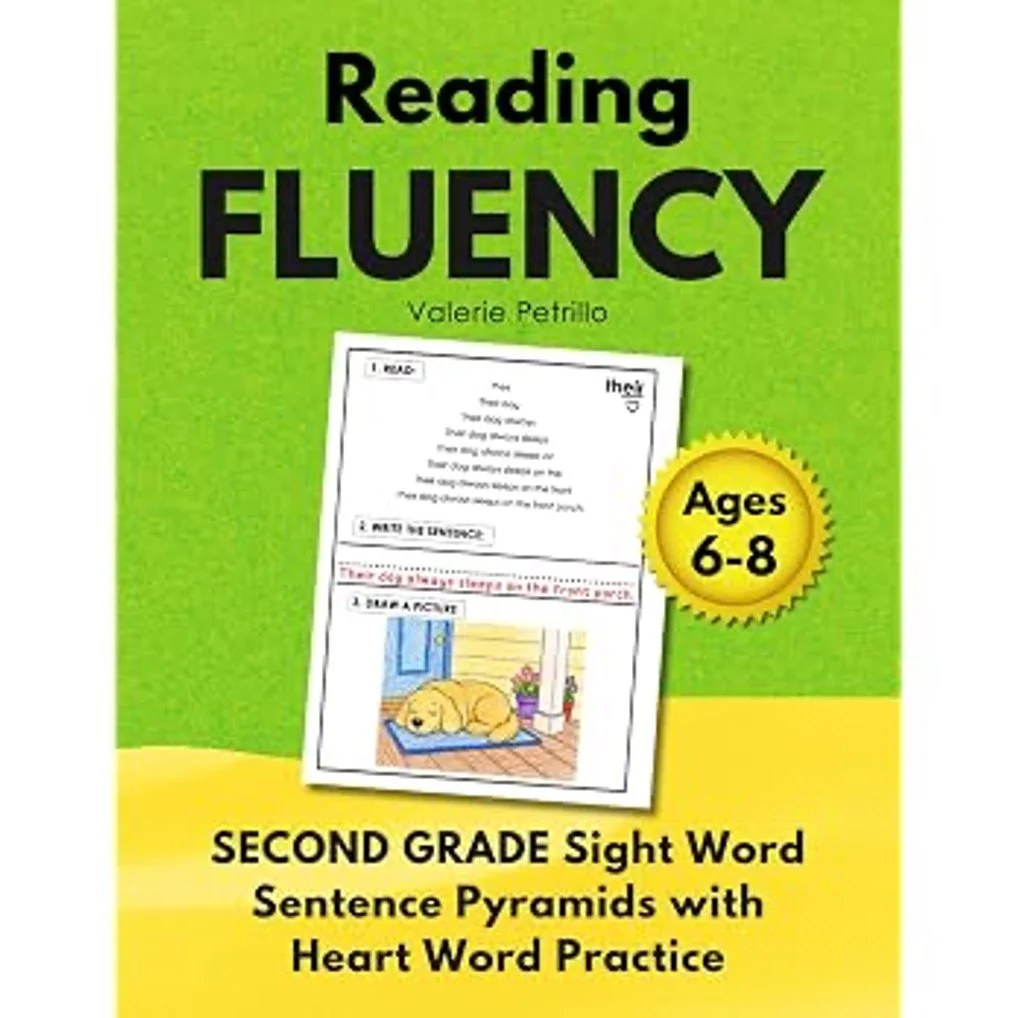
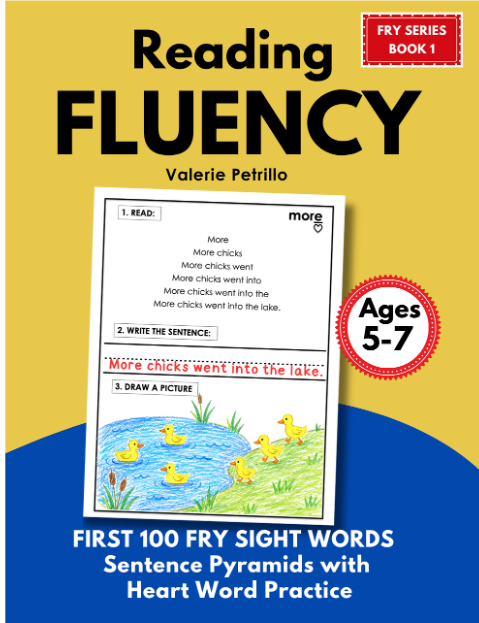
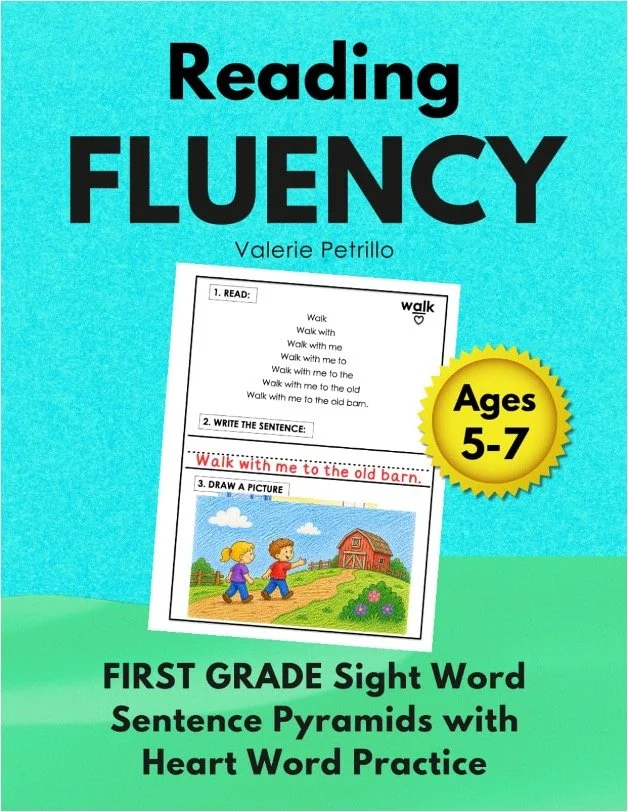
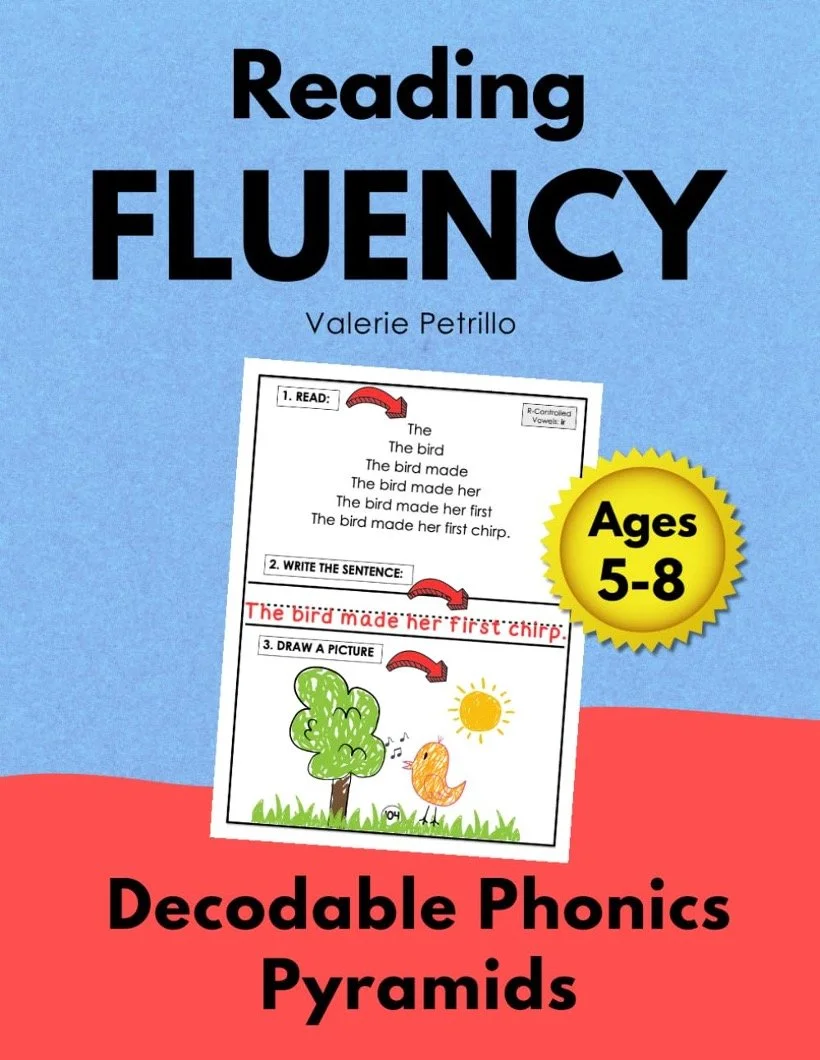
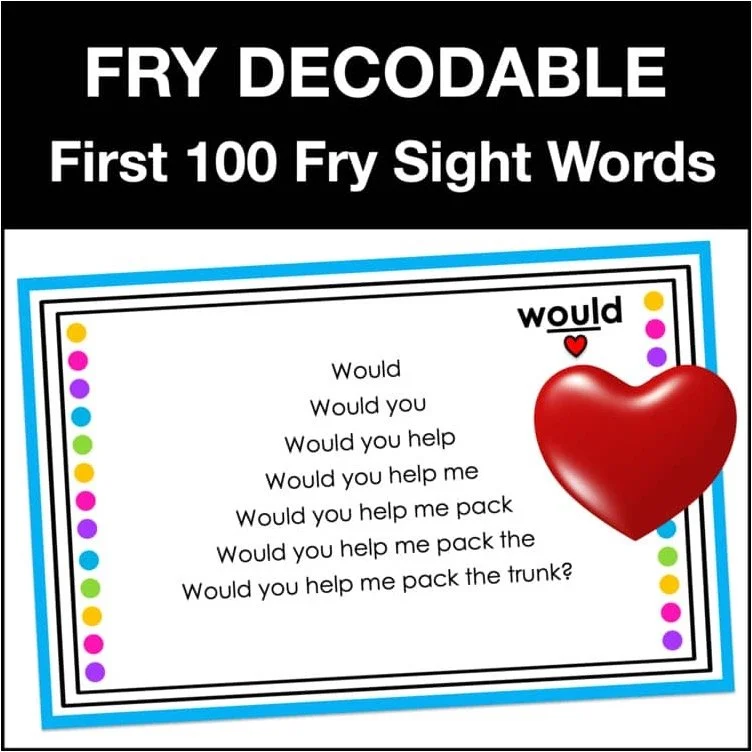
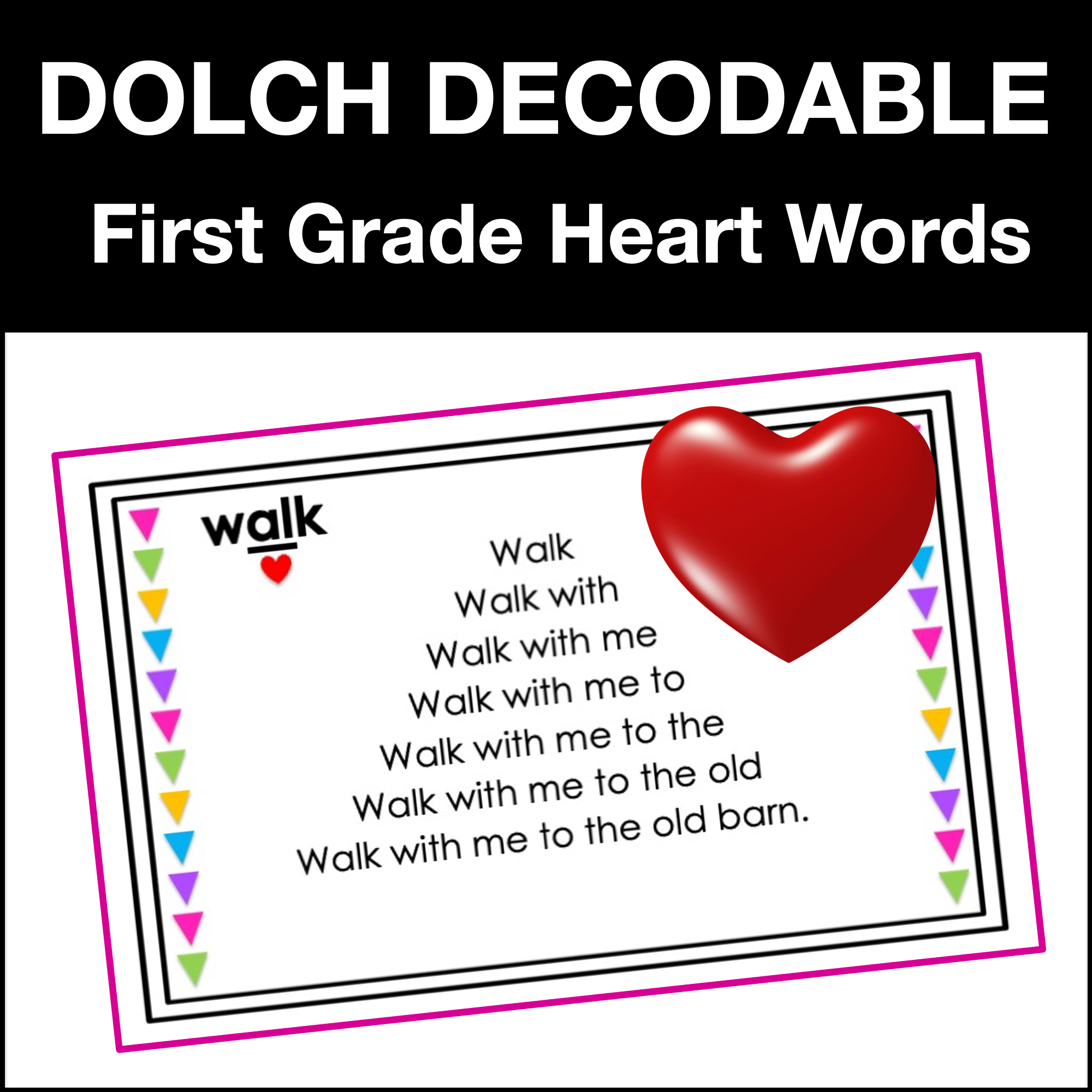
The fluency pyramid format in my materials was designed specifically to introduce one word at a time until the complete sentence is built, which can help children who struggle with larger blocks of text.
Repeated reading helps build automaticity
Notice how the words from the beginning of the sentence appear again and again.
The student is not starting over with a brand-new sentence on every line. Instead, familiar words are repeated while only one new word is added.
That repetition gives children multiple opportunities to recognize and read the same words. The goal is for those words to become increasingly easy and automatic to read.
The goal is not to race through the pyramid.
The goal is for the reading to sound increasingly smooth and comfortable as the child moves down the page.
Students Practice Words in Meaningful Sentences
High-frequency words are often practiced in isolation on flashcards.
That can be useful, but children also need opportunities to read those same words in connected text.
Instead of reading look over and over by itself, a child eventually reads:
Look at the crab in the sand.
Now the word has a purpose and meaning within a complete thought.
Using sight words in meaningful sentences can support accuracy, confidence, and understanding—not simply recognition of isolated words.
Fluency Practice Can Work Alongside Phonics
Fluency instruction and phonics do not have to compete with one another.
They can work together.
My Dolch fluency pyramids available on Teachers Pay Teachers (TpT) introduce the target high-frequency words as heart words, while the remaining words in the pyramids provide decodable reading practice.
Some high-frequency words can be sounded out completely once the appropriate phonics patterns have been taught.
Others contain one part that follows the expected spelling-sound patterns and another part that must be remembered.
Rather than asking students to memorize every high-frequency word as a visual whole, a heart-word approach helps students notice the parts they can decode and the parts they need to remember.
Then the fluency pyramid gives them repeated practice reading that word in context.
Add Writing for Even More Practice
After a child reads the complete pyramid, have them write the final sentence.
Writing gives the student another opportunity to think carefully about the words they just read.
It can reinforce:
spelling patterns
handwriting
vocabulary
sentence structure
memory for the words
Add Drawing for a Quick Comprehension Check
Reading fluency is not just about saying words smoothly.
Children also need to understand what they read.
One easy follow-up is to have the student draw a picture that illustrates the completed sentence.
For example, if the sentence is:
The dog has a big bone
the student's picture gives you a quick way to see whether the sentence made sense.
My fluency pyramid worksheets use this simple read → write → draw routine so the drawing also functions as a quick comprehension check.
Who Can Benefit From Fluency Pyramids?
Fluency pyramids can be particularly helpful for:
beginning readers
children who decode accurately but read slowly
students who need repeated practice with high-frequency words
struggling readers
reading intervention groups
special education
tutoring
home practice
They can be especially useful for students who become overwhelmed by larger amounts of print but can successfully read when the amount of text is introduced gradually.
Try It Tomorrow
You do not need a special resource to try this strategy.
Choose one short sentence that your student can mostly decode.
For example:
The cat sat on the red rug.
Write:
The
The cat
The cat sat
The cat sat on
The cat sat on the
The cat sat on the red
The cat sat on the red rug.
Have the student read from the top of the pyramid to the bottom.
When the student reaches the final sentence:
Read the complete sentence once more.
Write the sentence.
Draw a picture showing what the sentence means.
That gives you phonics practice, repeated reading, fluency, spelling, handwriting, and comprehension in one short activity.
✦ TEACHER TIP:
Fluency is Not a Race
Reading fluency means reading accurately, smoothly, and with expression—not simply reading fast.
If a student hesitates or makes an error, provide support and have them reread the line. The goal is for reading to become more fluent and confident with each rereading.
For struggling readers, a few minutes of successful practice is often more productive than continuing until the child becomes frustrated.
What About Heart Words?
Many high-frequency words have traditionally been taught by asking children to memorize the entire word.
But many of these words contain both regular and irregular parts.
A heart-word routine draws attention to the parts students can decode and the part that needs to be remembered: “by heart.”
The printable version of my fluency pyramids includes a heart-word instructional routine in which students say the sounds, blend the word, and write it while attending to the regular and irregular parts.
Once the student has learned the word, the fluency pyramid provides repeated opportunities to use it in meaningful reading.
Keep Fluency Practice Short and Successful
Fluency practice does not need to take a long time.
One or two sentence pyramids may be plenty for one lesson.
The goal is gradual improvement:
words become easier to recognize
sentences begin to sound smoother
reading requires less effort
confidence begins to grow
That progress can be especially meaningful for children who have found reading difficult.
Want Ready-Made Fluency Pyramids?
You can absolutely create fluency pyramids yourself using sentences that match the phonics skills and words your students are learning.
But if you would prefer a done-for-you option, I have fluency pyramid resources available in printable and workbook formats.
My Teachers Pay Teachers versions include fluency pyramids on flashcards (color and b & w), worksheets for students to read, write, and illustrate the sentence, and heart-word instruction.
The Amazon workbook format includes worksheets for students to read, write, and illustrate the sentences. These workbooks are convenient for classroom intervention, tutoring, special education, or home practice.
Browse Fluency Pyramids on Teachers Pay Teachers
Browse Fluency Pyramids on Amazon