
How to Teach Reading to Students with Down Syndrome

Using Match–Select–Name Alongside Explicit Reading Instruction
Do you have a student with Down syndrome who has received explicit reading instruction but is still struggling to read independently?
Perhaps your student:
has difficulty remembering letter names or sounds
struggles to blend sounds into words
recognizes some familiar words but cannot yet decode unfamiliar words
has received phonics instruction for a long time with limited progress
has become frustrated or discouraged by reading
For some students, visual word-learning strategies can provide another way into reading while explicit phonics instruction continues.
One structured approach is called Match–Select–Name.
What Is Match–Select–Name?
Match–Select–Name is a visual word-learning routine associated with the reading approach developed by Patricia Logan Oelwein for children with Down syndrome and other developmental delays.
Rather than asking a beginning reader to immediately analyze and blend the sounds in a word, the routine first helps the child learn to recognize a small number of meaningful printed words.
The student progresses through three simple steps:
MATCH — The student physically matches two identical printed words.
SELECT — The student points to the correct word when the teacher names it.
NAME — The student independently reads the word on the card.
Words are introduced gradually, and previously learned words continue to be reviewed as new words are added.
Why Visual Word Learning Helps
Many children with Down syndrome have strong visual learning skills while finding some aspects of phonological processing, speech, language, and auditory memory more difficult.
That can make the early stages of phonics challenging.
A child may know individual letter sounds, for example, but have difficulty holding those sounds in memory long enough to blend them into a word.
Match–Select–Name gives these students an opportunity to begin making connections between print, spoken words, and meaning using a highly visual routine.
And, perhaps most importantly, it allows some children to experience success with reading while they continue developing the foundational skills they need.
Does Match–Select–Name Replace Phonics?
No.
This is an important distinction.
Explicit, systematic instruction in phonemic awareness and phonics should remain part of a child's reading instruction.
Match–Select–Name can be used alongside that instruction.
Some students with Down syndrome may develop a beginning vocabulary of visually recognized words before they are able to use phonics independently. As their reading vocabulary grows, they gain additional experience looking carefully at print, recognizing letters and patterns, and connecting written words with spoken language.
That early reading success can provide a bridge while phonological awareness and decoding skills continue to develop.
You may sometimes see recommendations to build a beginning sight vocabulary of approximately 50 words before expecting greater independence with phonics. I prefer to think of that number as a general instructional guideline rather than a magic threshold. Children develop at different rates, and phonics instruction does not need to stop while visual word recognition is being taught.
The two approaches can support one another.
How Does Match–Select–Name Work?
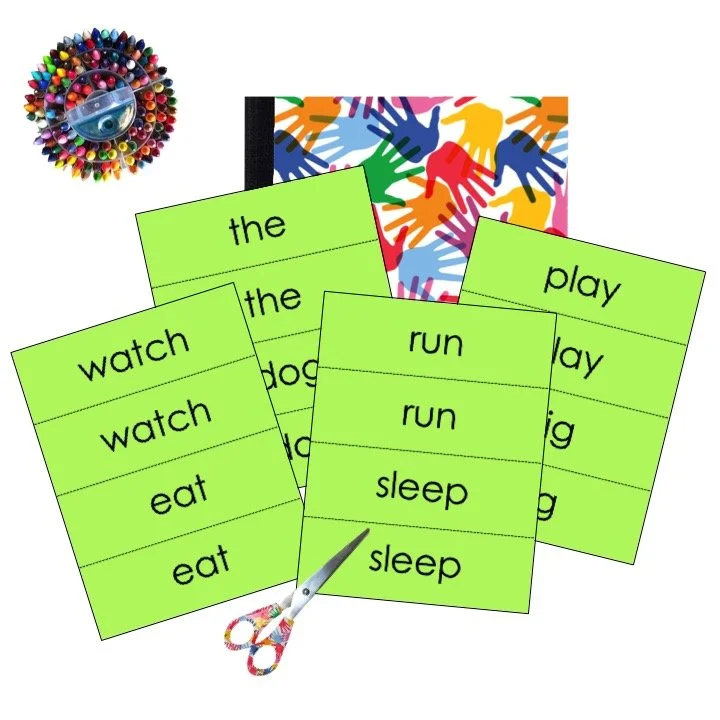
At its most basic level, the routine is very simple.
Step 1: Match
Place a word card in front of the student.
Then hand the student an identical card and say the word:
“This card says home. Can you put home on home?”
The student places one card on top of the matching card.
If necessary, guide the student through the response at first. The goal is for the child to understand the task and experience success.
Step 2: Select
Next, place the target word beside another word or a blank card.
Say:
“Point to home.”
The student selects the correct word.
As the child learns additional words, the task gradually becomes more challenging because the student must discriminate between several familiar printed words.
Step 3: Name
Finally, hold up the word card and ask:
“What word is this?”
The student independently names the word.
If the child doesn't remember it yet, simply provide the word and continue practicing. There is no need to turn the interaction into a test.
My free Match–Select–Name instructional routine walks through this progression step by step, beginning with one word, adding a second word, and then helping the student discriminate between the two.
What Happens After the First Word?
Once the student can successfully match, select, and name the first word, introduce another.
For example:
home
school
The student first learns school using the same Match–Select–Name routine.
Then place home and school together and ask the child to identify each word.
As words are mastered, continue adding new ones gradually. The routine I created recommends building to about four words at a time, then dropping a mastered word and adding a new one.
This keeps the task manageable while providing plenty of repetition.
Move From Words to Real Reading
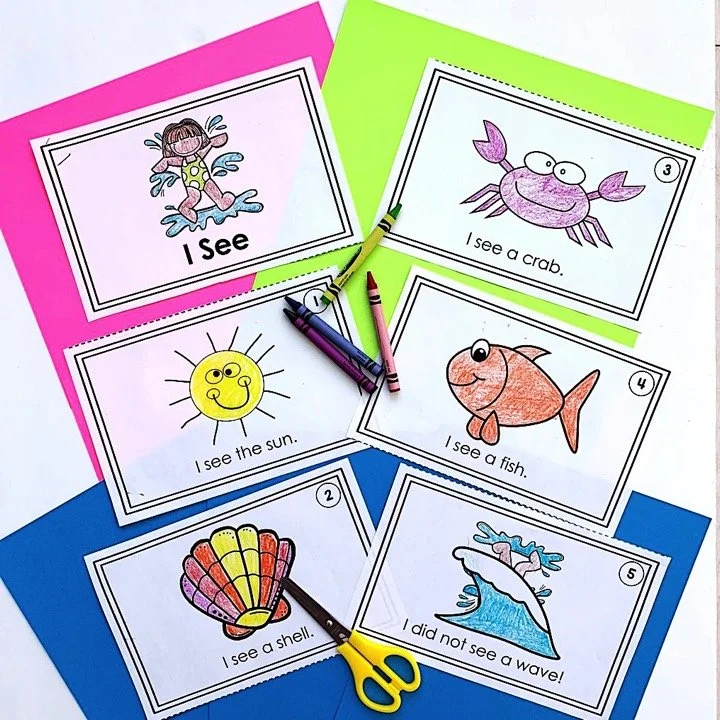
Previously learned words are then used in simple sentences and short reading activities.
Learning individual words isn't the final goal.
Reading is.
Once students have learned several words, give them opportunities to encounter those words in sentences and simple books.
This is where the approach becomes especially meaningful.
Instead of practicing a stack of disconnected flashcards indefinitely, students begin seeing familiar words in actual reading.
They can:
read short sentences
reread familiar books
match words to pictures or meanings
complete simple word-recognition activities
practice familiar words during independent centers
build fluency through repeated reading
For a student who has struggled with reading for a long time, being able to successfully read even a very simple book can be extremely motivating.
Keep the Practice Successful
Match–Select–Name works best when instruction remains positive and manageable.
Introduce only a small number of words at a time.
Provide help before the child becomes frustrated.
Review previously learned words frequently.
And choose useful, meaningful words whenever possible.
The goal isn't to see how many words a student can memorize. The goal is to give the student another pathway into meaningful reading while continuing to develop phonics, language, fluency, and comprehension.
Want to Try Match–Select–Name?
I created a free step-by-step Match–Select–Name Instructional Routine for teachers, parents, tutors, and homeschool families.
It shows you exactly how to:
Match → Select → Name
the first word, introduce a second word, and begin helping a child discriminate between the two.
Need Ready-to-Use Materials?
You can absolutely create your own word cards, sentences, and simple reading materials to use with Match–Select–Name.
But if you'd rather have everything prepared, I also create ready-to-use Match–Select–Name reading intervention resources.
My units include materials such as:
word cards
simple stories using previously taught words
repeated-reading practice
independent word-recognition activities
fluency practice
progress-monitoring materials
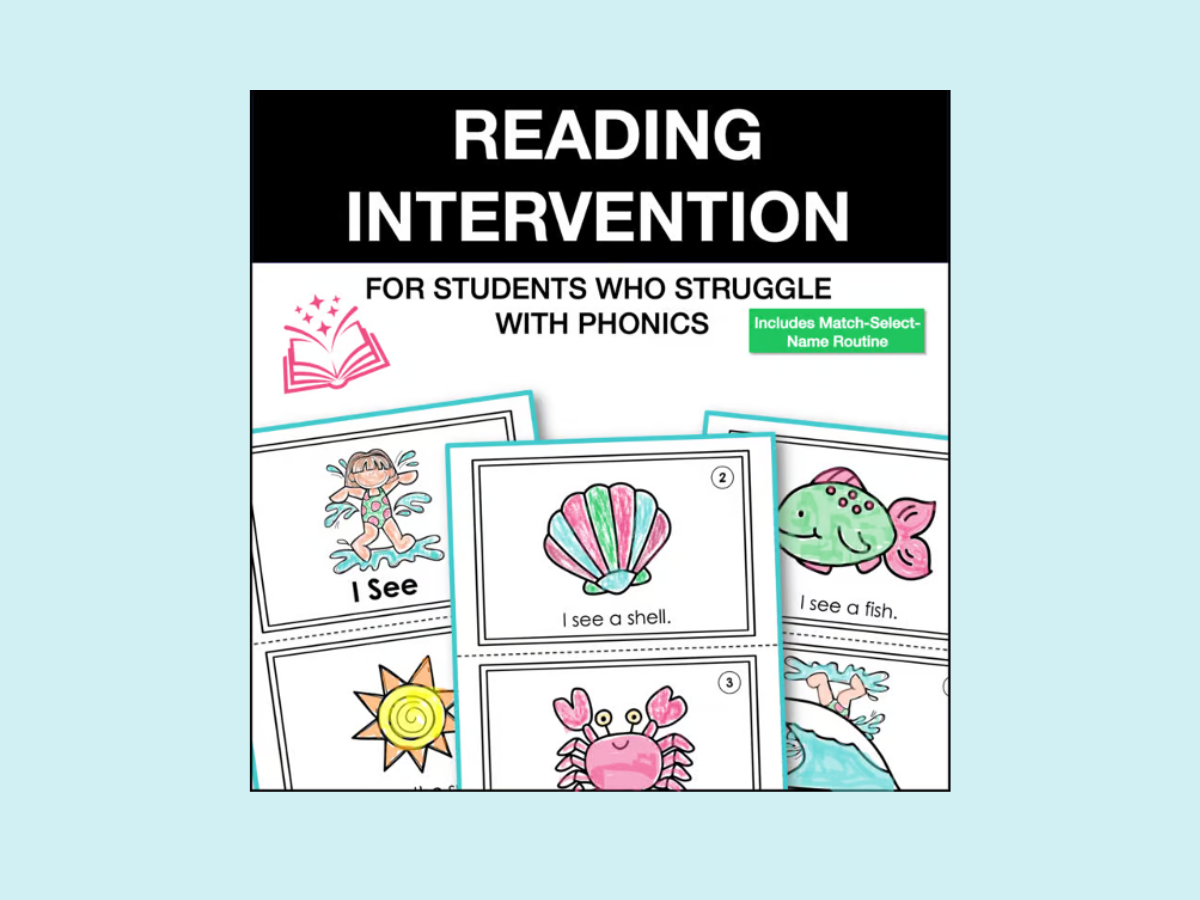
Ready-to-use Match–Select–Name materials include word cards, stories, activities, and progress-monitoring tools.
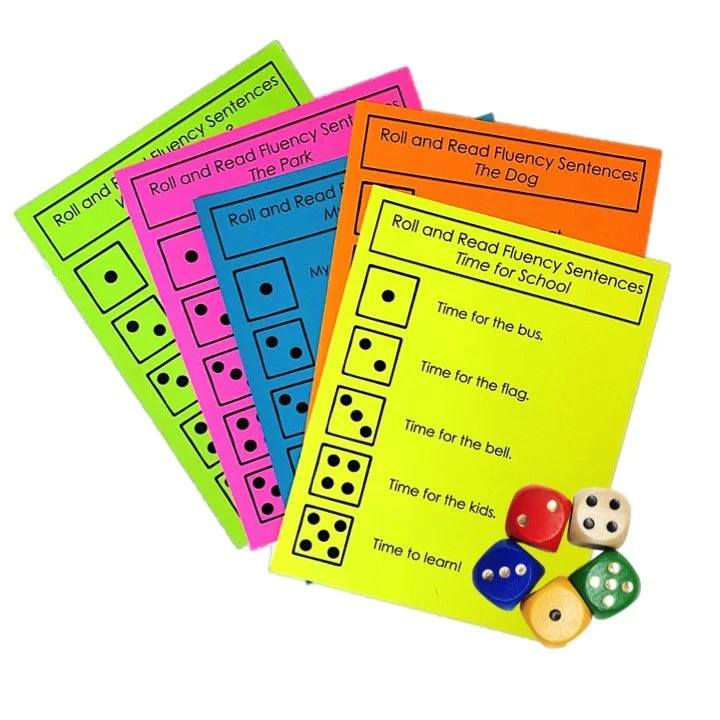
Roll and Read activities give students repeated practice reading familiar words in simple sentences, helping build fluency and confidence.
A Simple Tool for Students Who Need Another Way In
Not every child begins reading in exactly the same way.
For students who struggle to make progress through phonics alone, Match–Select–Name can provide an accessible visual entry point while explicit reading instruction continues.
Sometimes the first step toward becoming a reader is simply experiencing:
“I can read this.”
And that success gives us something to build on.
Popular Match–Select–Name Resources on Teachers Pay Teachers
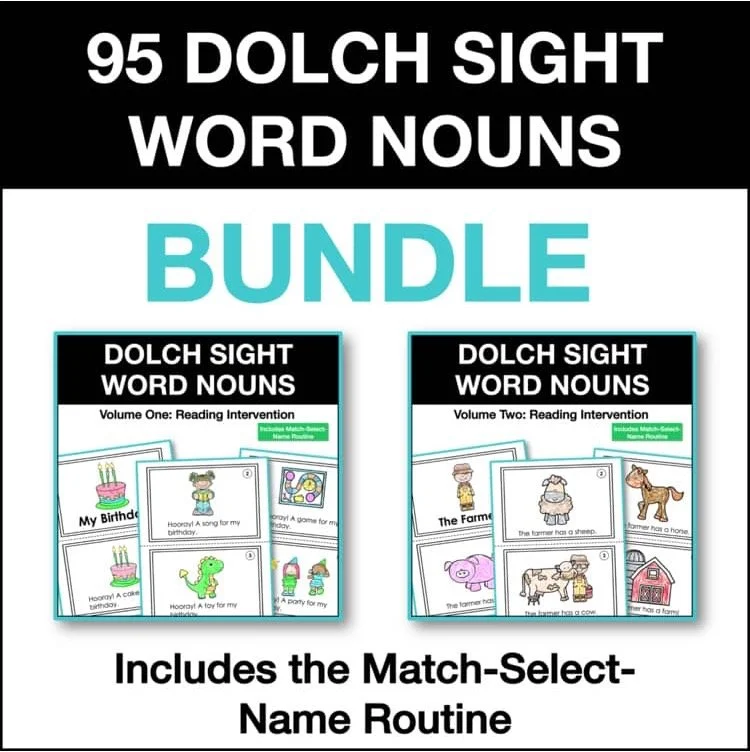
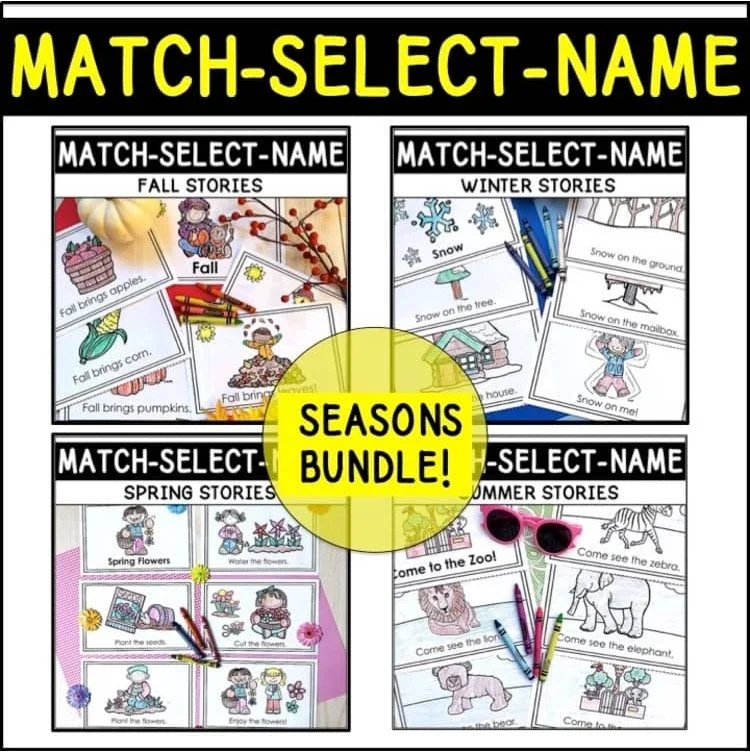
Looking for ready-to-use materials? These are three of my most popular Match–Select–Name resources for building word recognition, reading practice, and fluency.

Match–Select–Name Books on Amazon
Prefer a bound workbook or book format? These Match–Select–Name books provide additional structured practice for students who benefit from visual word learning and repeated reading.
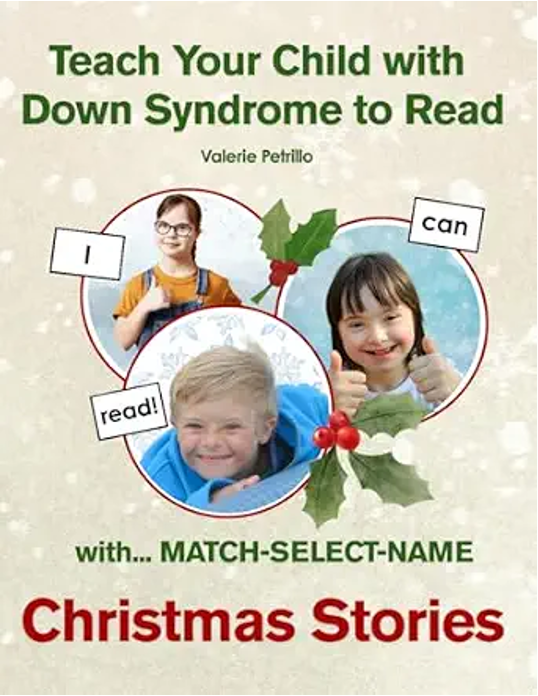
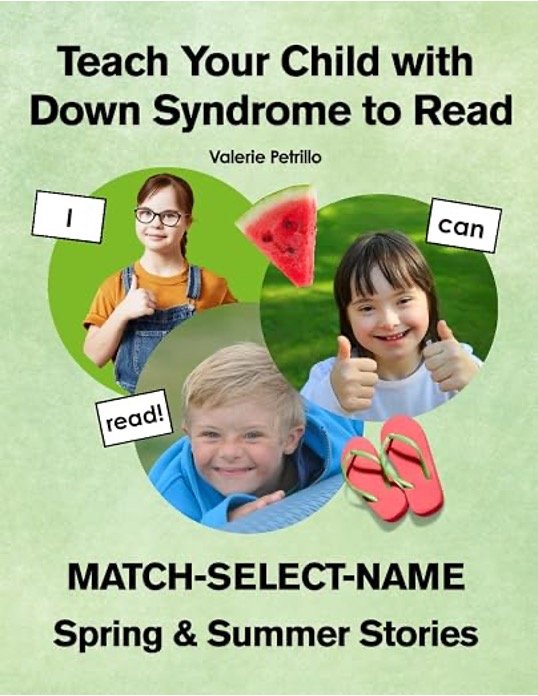
Whether you use printable resources or books, the goal is the same: give students successful, meaningful reading practice while continuing to build their broader reading skills.